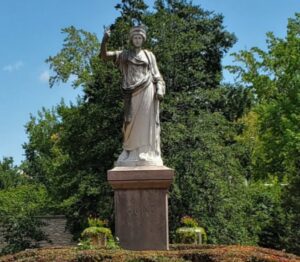
Anthony C. Wood — Scenic Symposium 2026 speaker
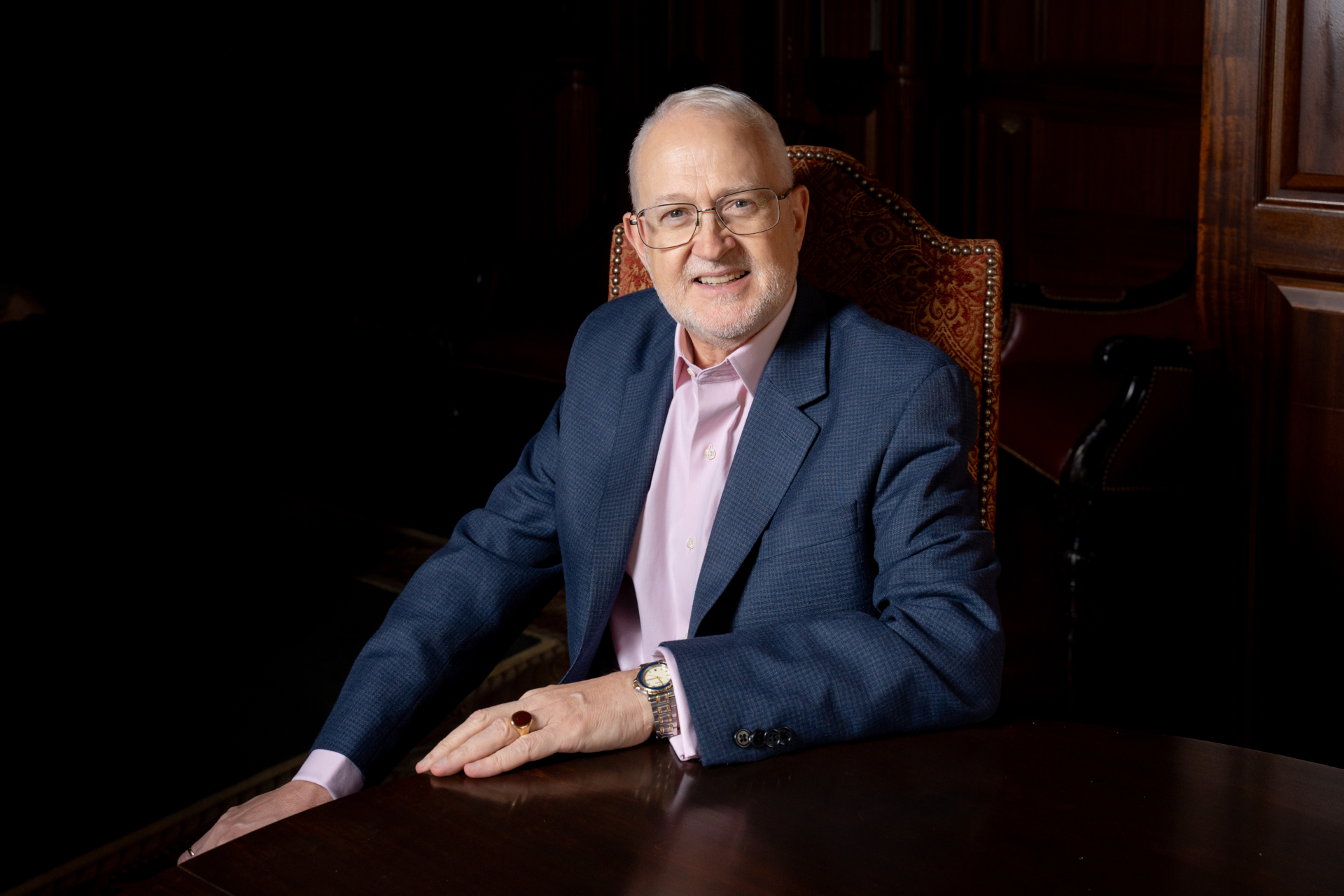
Anthony C. Wood: What today’s advocates can learn from yesterday’s victories
Every generation believes its challenges are unique. But while the debates may change, the technologies evolve, and new threats emerge, the work of protecting the places people love has always demanded the same qualities: vision, persistence, patience, and the conviction that beauty is a public good worth defending.
One of the featured presenters at Scenic Symposium 2026 has devoted his career to understanding exactly that.
For more than 40 years, Anthony C. Wood has served as an author, historian, educator, preservation leader, and advocate. This September, symposium attendees will have the opportunity to hear Wood share the remarkable stories of the people whose perseverance shaped America’s preservation movement — and why those stories remain surprisingly relevant to today’s scenic conservation challenges.
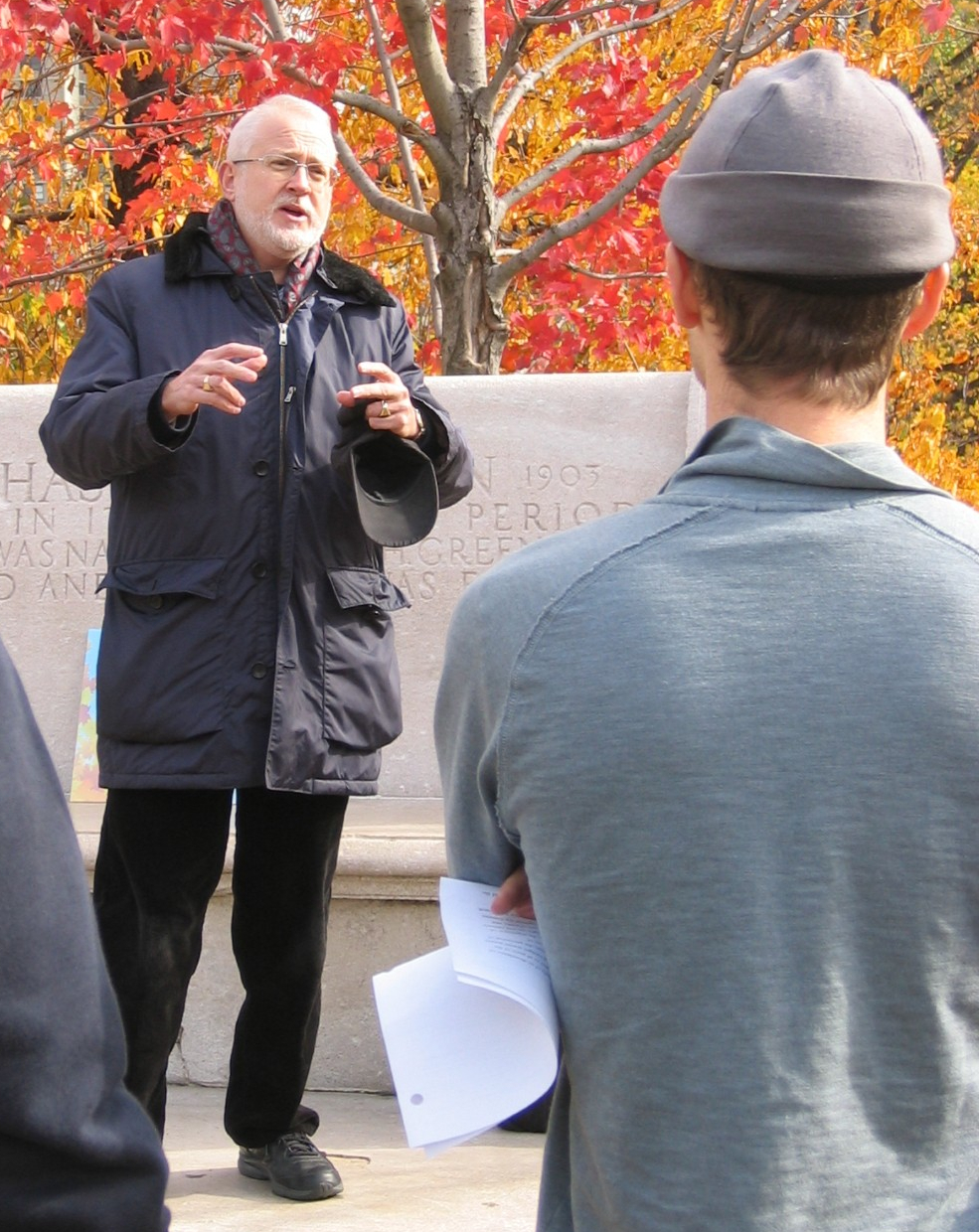
Wood sometimes takes his lectures on preservation history outdoors, into the environments being discussed.
Rather than delivering a traditional lecture, Wood will join Scenic America President and CEO Mark Falzone for a special “Conversation with the Author.” This engaging interview format will allow the discussion to explore the people, ideas, and lessons behind Wood’s work while giving attendees fresh insight into the history of preservation and its relevance to today’s scenic conservation movement.
Unlike many historians, Wood has never been content merely to chronicle events. Throughout his career, he has sought to recover something equally important: the stories of the people whose determination helped change history but whose names gradually faded from public memory in the years that followed.
That mission inspired Wood to establish the New York Preservation Archive Project, dedicated to documenting the people, organizations, ideas, and victories that transformed preservation from a hopeful ideal into a lasting public movement.
That commitment runs through both of his books.
In Preserving New York: Winning the Right to Protect a City’s Landmarks, Wood tells the remarkable story of how New York City’s landmark preservation law came to be. Rather than presenting the law as an inevitable product of changing public attitudes, he reveals decades of organizing, coalition building, political setbacks, and determined citizens who refused to accept that irreplaceable places should simply disappear.
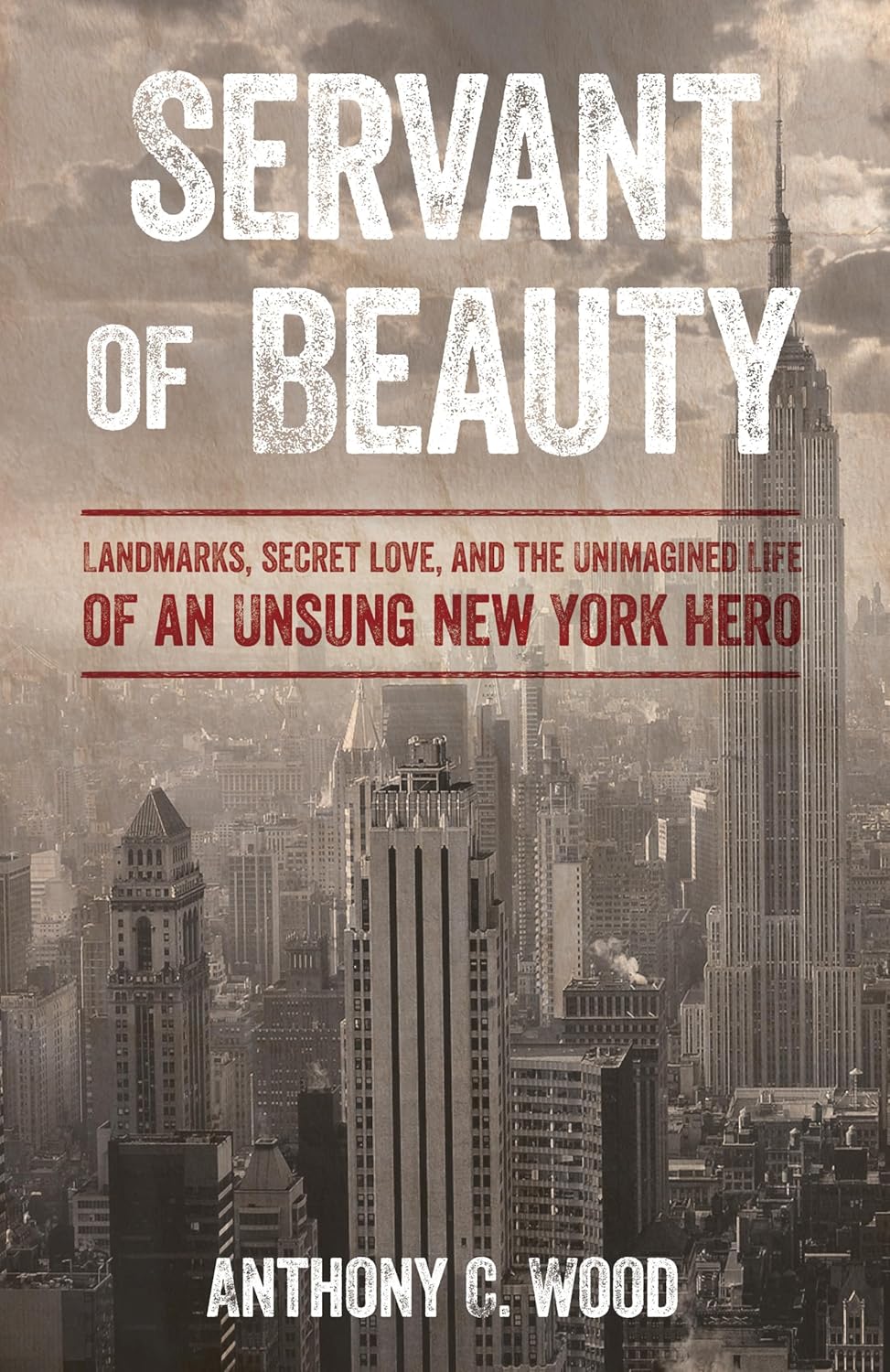
Wood’s latest book.
His newest book, Servant of Beauty: Landmarks, Secret Love, and the Unimagined Life of an Unsung New York Hero, narrows that focus to one remarkable individual.
Today, Albert Sprague Bard is scarcely remembered, but his influence can still be felt wherever communities possess the legal authority to protect places of historic, architectural, and civic importance.
Beginning in 1913, Bard embarked on what became a 40‑year effort to establish a revolutionary idea: that beauty itself serves the public interest and deserves legal protection. Friends described him as being “like a dog with a bone” because he simply refused to let go of that belief.
His commitment was not merely philosophical. Bard reportedly became so frustrated by illegal outdoor advertising that marred New York’s streets that he occasionally tore offending signs down himself. But his efforts extended far beyond New York. For decades, Bard was one of the nation’s foremost legal advocates for billboard control, advising organizations across the country and serving as counsel to the National Roadside Council. Long before billboard proliferation became a national concern, he recognized that visual clutter degrades the places people share and diminishes their quality of life.
Eventually, Bard’s persistence paid off. The Bard Act became law in 1956, helping establish the legal foundation for New York City’s landmark preservation law nearly a decade later.
Anthony Wood saw that history had largely forgotten one of preservation’s most consequential advocates.
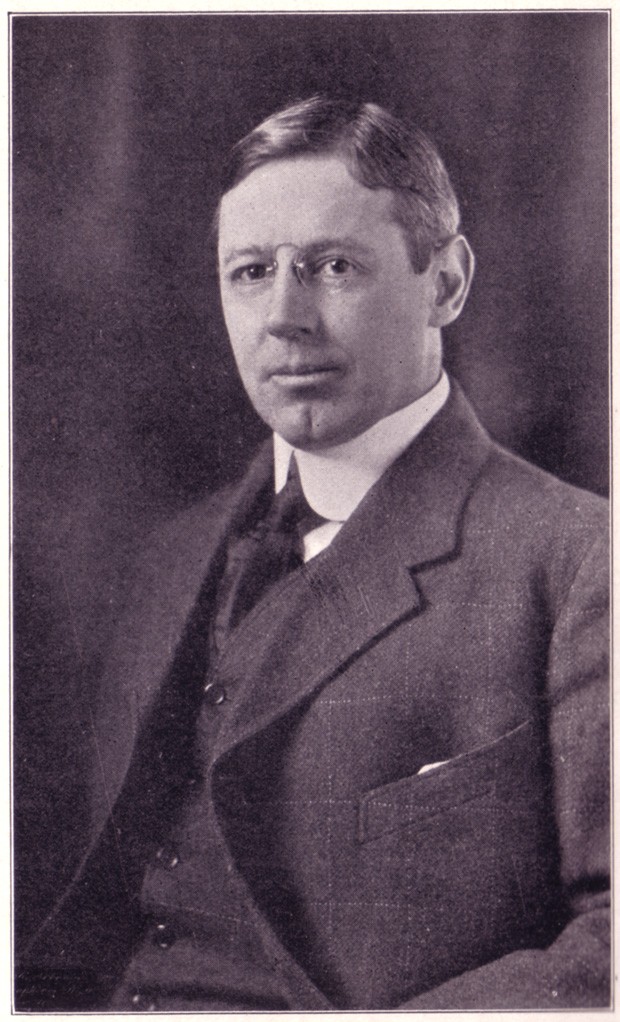
Bard at age 42 in 1908. Photo courtesy of Chi Psi fraternity.
Through years of painstaking research, Wood reconstructed Bard’s extraordinary life, uncovering not only his central role in preservation history but also deeply personal chapters that had remained hidden for decades. The result is more than a biography. It is a reminder that many of the freedoms and protections we enjoy today exist because of people whose names history nearly forgot.
That lesson reaches well beyond New York.
Scenic America’s mission encompasses many of today’s most pressing scenic conservation challenges: reducing billboard blight, protecting scenic byways, undergrounding utilities, strengthening community character, creating more beautiful public spaces, and helping communities make thoughtful choices about the places they call home.
Anthony Wood reminds us that these are not entirely new conversations. The advocates who fought to preserve historic neighborhoods, protect public landscapes, regulate intrusive advertising, and establish the principle that beauty has public value confronted many of the same questions we continue to ask today. How do you persuade a community? How do you build lasting public support? How do you balance private interests with the common good? How do you continue after setbacks?
Their experiences still have much to teach us.
That conversation promises to offer more than a look back at preservation history. Through his discussion with Mark Falzone, attendees will have the opportunity to explore the stories behind the preservation movement, reflect on the enduring value of beauty in public life, and discover how yesterday’s victories can inform today’s scenic conservation challenges.
If you care about protecting beautiful places, strengthening communities, and ensuring that future generations inherit landscapes worthy of pride, Anthony Wood’s “Conversation with the Author” is one you won’t want to miss at Scenic Symposium 2026.