
Placemaking spotlight: Durango, Colorado
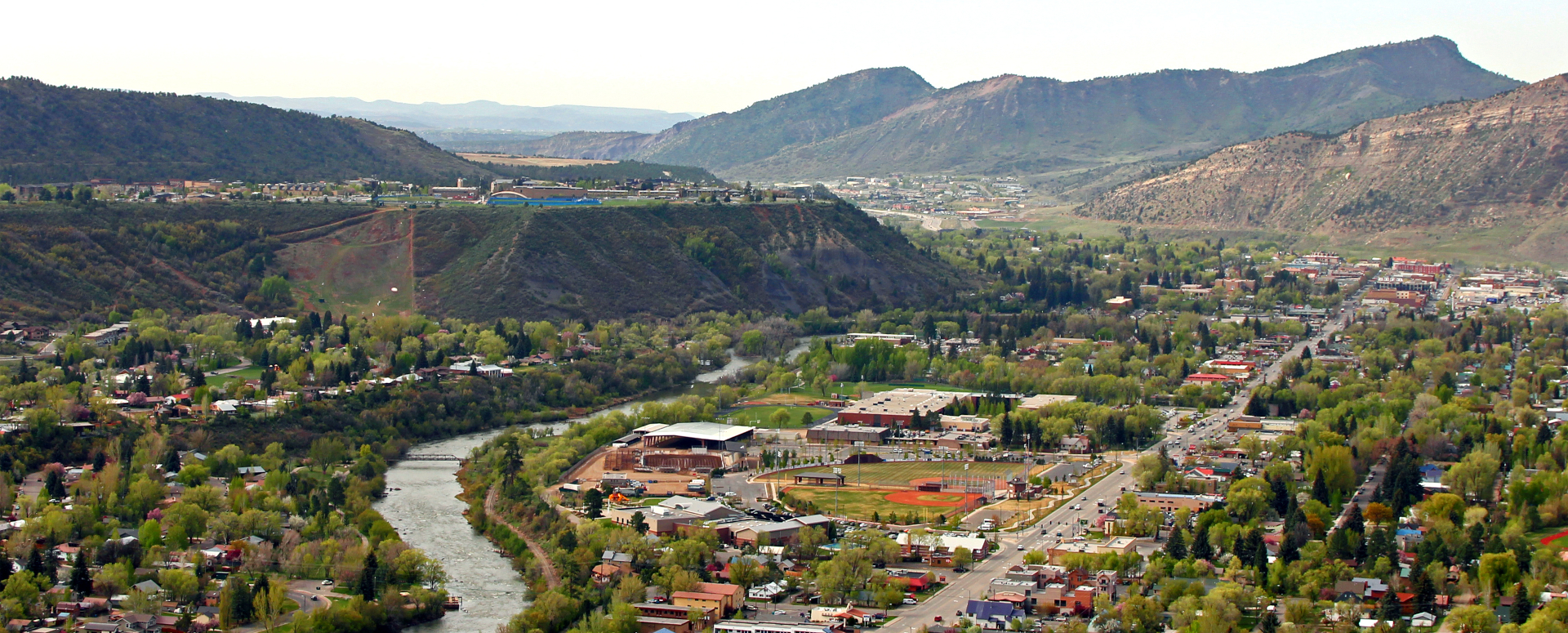
Durango shows how smart growth can protect the landscapes people love
History
The land of Durango, Colorado, has always provided for those who lived there. Native Americans camped along the banks of the Animas River for thousands of years. The Ute people later settled in the area, where they fished, hunted, and found shelter.
Years later, silver and gold were discovered in Durango and surrounding areas, leading to an industrial boom and population growth. These industries all centered around the land, mainly smelting, mining, and railroads. Many of these industries are part of Durango’s strong tourism industry today. In fact, the Durango & Silverton Narrow Gauge Railroad still runs through the mountains of Durango. The city’s history of partnership with the outdoors has contributed to a strong sense of community and recreation in the 21st century.
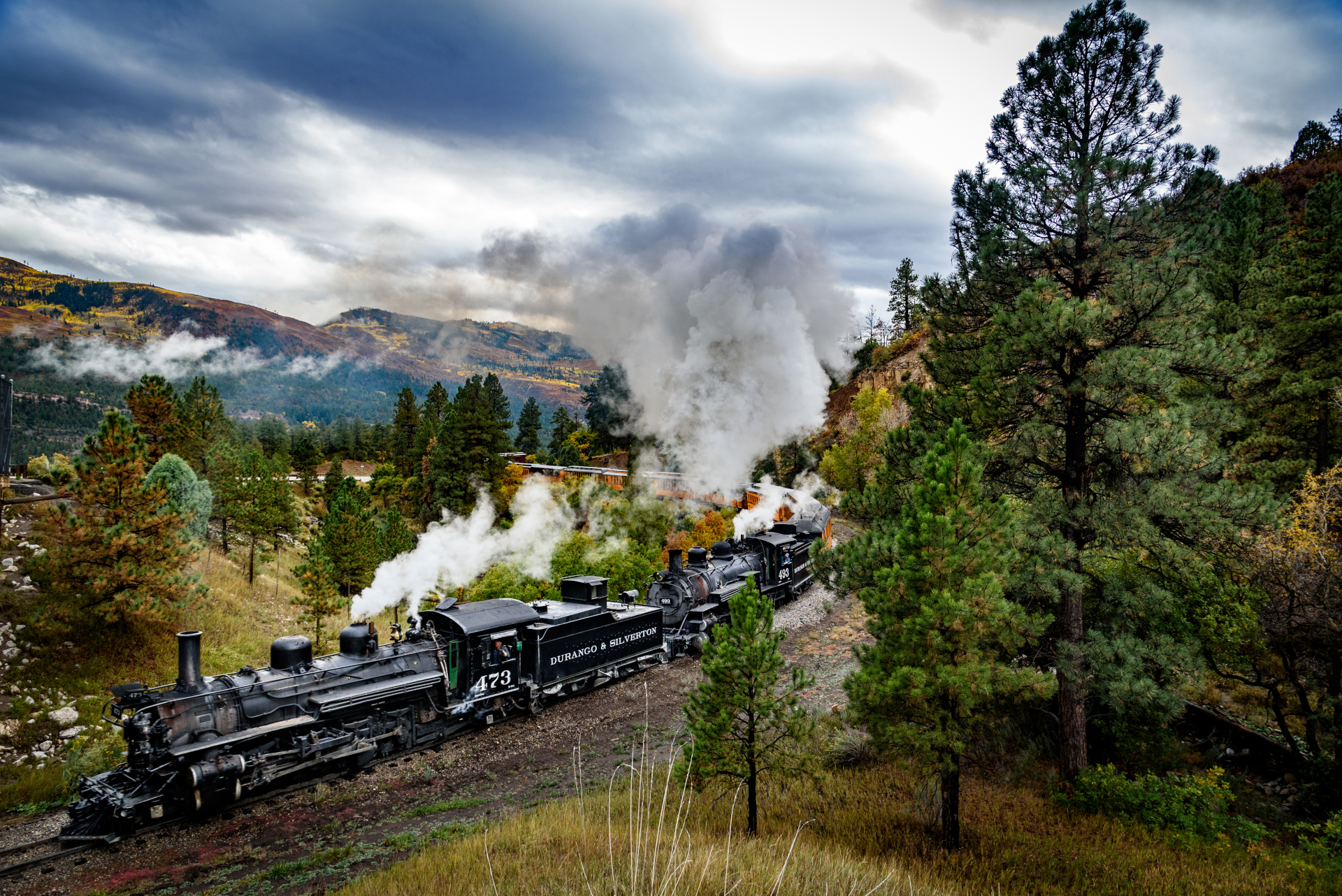
The Durango & Silverton Narrow Gauge Railroad Company has operated steam‑engine service between Durango and Silverton, Colorado, continuously since 1881. Today, the railway is a tourism and heritage line with the distinction of being a federally designated National Historic Landmark.
Photo by Robert on Adobe Stock.
Community Engagement and Tourism
Durango’s strong sense of community begins, like that of many cities, with its master plan. Public input is a major driver of this plan’s development every seven to 10 years. Methods of engaging the community include the city reaching out to neighborhood groups, holding public hearings, and hiring a community engagement director to conduct direct outreach. This coordinator takes comments around the clock and engages in creative outreach through events such as trivia nights, which provide a chance for project education.
This plan helps guide the actions of Parks and Recreation Director Scott McClain and urban planner Scott Shine. The public also gives its input on individual projects that come up and are not included in the master plan. Some of these projects include rebuilding sections of the Animas River Trail and constructing new pickleball courts. Additionally, the city is working with the Bureau of Reclamation to annex a reservoir so it can manage and protect the land. The consent and funding for projects such as annexing the reservoir come from sales tax revenue that Durango residents approved to acquire and protect more land.
This comprehensive community engagement is set against the backdrop of Durango as a tourist destination. The Durango & Silverton Narrow Gauge Railroad, Mesa Verde National Park, and skiing are attractions that draw visitors from across the country to Durango. Although visitors may come for these larger attractions, soft‑surface trails and river activities can keep people in Durango for a weekend or more. Parks and Recreation Director McClain considers this when implementing new projects, saying that the number of people served is always greater than the population.
In the historic downtown area, the city receives assistance from the Durango Chamber of Commerce’s Downtown Ambassador program. Ambassadors act as active concierges for tourists, providing information and answering questions.
Scenic Beauty
Durango has its hands full protecting and maintaining its many visually pleasing and natural attractions. The Durango River Valley is filled with steep slopes that would make too much development dangerous and visually unappealing. The city protects these areas in two ways. The first is by purchasing them with voter‑approved, dedicated sales tax revenue for land protection so the city can maintain lands and prevent development. The second is through a strict Land Use and Development Code.
The main objectives of Section 4‑4‑5‑2 are to create the visual impression of an undeveloped, natural condition that is not obstructed by buildings along the Animas River in the river corridor subdistrict. There are also ordinances to protect flatter areas, namely Section 4‑4‑3‑2, which protects hillsides and ridgelines. Any land use that uses 20% to 29.9% of ridgeline or hillside land is subject to an administrative and/or subdivision process. Subdivisions that use 30% or more of this land are prohibited. These ordinances keep the natural beauty of Durango from being degraded by expansion.
When development does occur, the city conducts studies to make sure that any new building does not affect archaeological resources. Although Durango has local standards for these developments, the city mainly follows the secretary of the interior’s guidelines. The city is not alone in maintaining these resources; it works with groups such as the Southwest Conservation Corps to combat invasive species in the area. Efforts like these keep areas clear for residents and visitors alike to appreciate.
Historic Preservation and Environment
Durango works hard to incorporate the beautiful outdoors that surrounds the city into its urban areas. Through its Urban Forestry Planting Program, Durango covers half the cost of planting trees on residents’ properties and provides labor for installation. The city does this to “increase Durango’s urban forest, improve the environment, and to beautify the streets of the city.”
In the 1990s, the city’s arborists began to focus on the visual appeal of the city’s trees. As public support has grown for increasing the canopy for environmental reasons, the arborists have shifted their approach. The team now aids the city in developing a forest master plan and manages the growing canopy.
The visual aesthetics of urban areas do not just concern trees. In the mixed‑use historic district, there is a sign program that prohibits flashing lights, minimizes banners, and includes size regulations. Projects are reviewed for this district by the Historic Preservation Board to make sure they align with the historic feel. Homeowners can also receive a tax credit for remodeling a historic home while keeping a similar look.
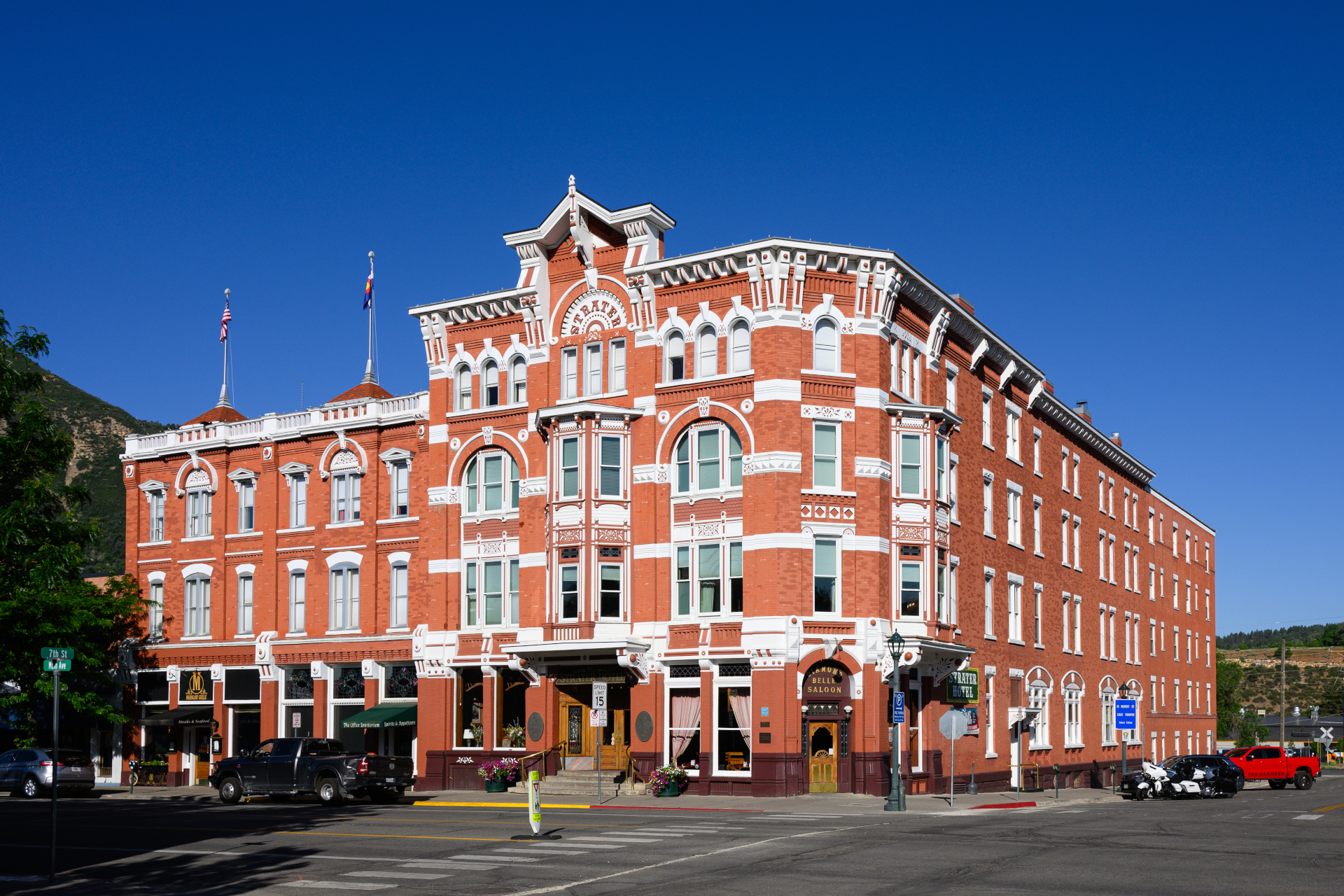
Downtown Durango’s historic Strater Hotel features a magnificent facade. Photo by IanDewarPhotography on Adobe Stock.
Conclusion
Durango, Colorado, is a city that puts its money where its mouth is. Its Urban Forestry Planting Program, historic remodel tax credit, and Land Use and Development Code work in lockstep to keep the entire city both beautiful and sustainable. Past residents of the Durango area benefited from the land, and it is important now that the city gives back to it. The city of Durango and its partners in the federal government and nonprofit sector are doing just that.
The mountains and river may have been the original draw to Durango, but the creation and upkeep of a historic downtown and robust park system will keep the city popular for years to come.
References
City of Durango. “City of Durango History.” https://www.durangoco.gov/274/History
City of Durango. “Urban Forestry Planting Program.” https://www.durangoco.gov/561/Urban-Forestry-Planting-Program
Durango Land Use and Development Code. 2022. https://online.encodeplus.com/regs/durango-co/doc-viewer.aspx#secid-861
McClain, Scott, and Scott Shine. Scenic America case study interview with Maya Coppage. July 10, 2025. Personal communication.
Hero image at top: The Animas River winds through the town of Durango in southwestern Colorado. Photo by Jim Glab on Adobe Stock.