
Placemaking spotlight: Athens, Georgia
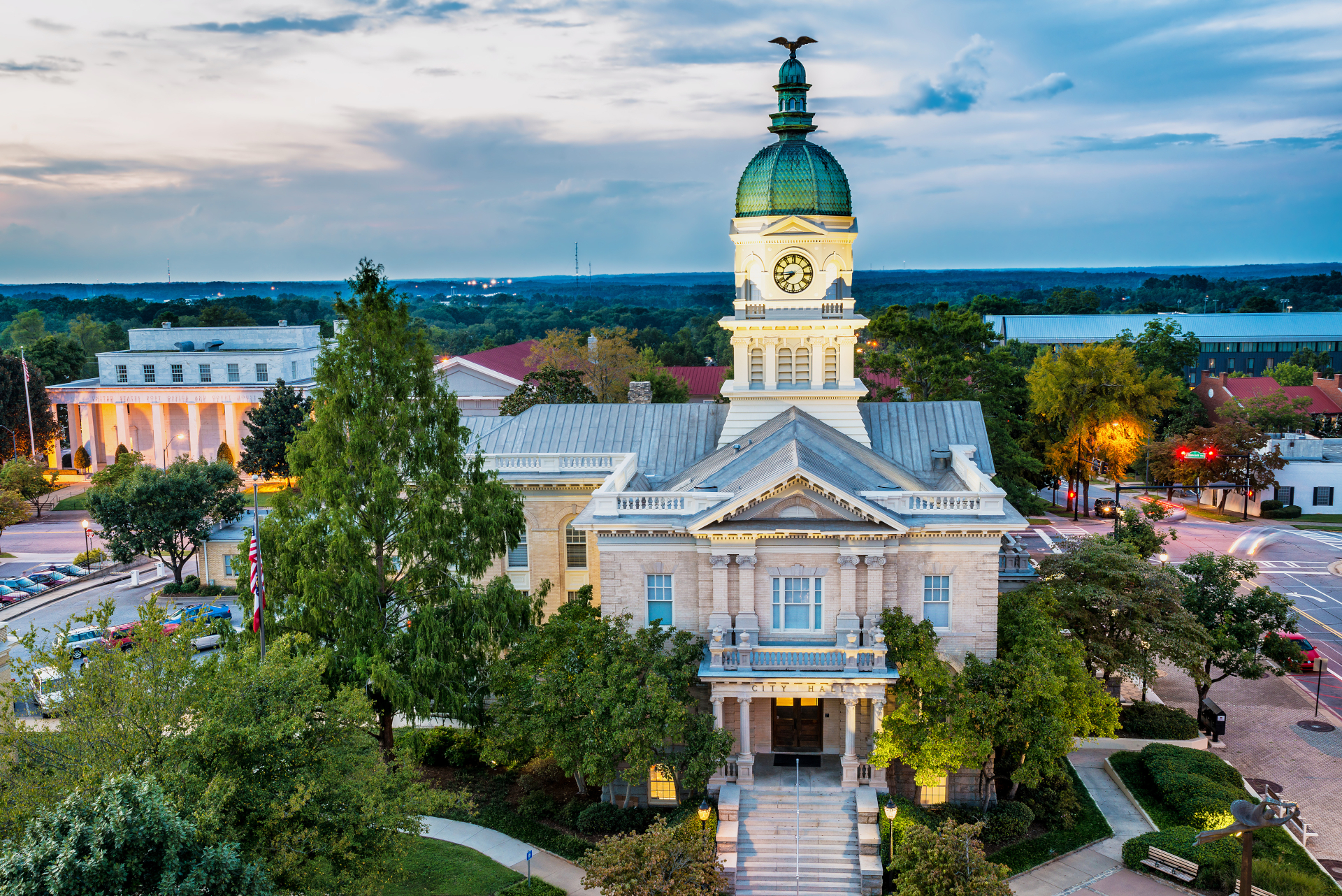
Athens shows how arts, history, and community create a lasting sense of place
Athens, Georgia, is a charming city of 129,089 located northeast of Atlanta. Although relatively small, Athens has established itself as the economic and cultural capital of northeast Georgia. This is due in part to the presence of the University of Georgia, around which the city was built and grew.
The city of Athens began as a tiny settlement before it was officially established in 1806. The town was built around the newly opened University of Georgia and therefore named Athens after the Greek center of learning. As the town expanded around the campus, its growing reputation for intellectual and social culture attracted prominent families. Meanwhile, Athens continued to develop a strong economy centered around textile mills, railroads, and brick works.
Although the history of Athens is one of economic flourishing, it also is a story of challenges faced and overcome, building the city’s resilience and strength.
The Civil War interrupted Southern prosperity, but Athens held its own by producing Confederate uniforms and creating the Cook and Brother armory out of a converted textile factory.
Athens was therefore able to recover quickly from the war and regain its momentum during the Reconstruction era. Businesses and factories flourished, and economic prosperity was reflected in the community’s renowned schools and grand Victorian mansions, which have been beautifully preserved to this day.
During the 20th century, the University of Georgia grew into an internationally recognized institution. As the university grew, so did the town. The population of Athens doubled between 1900 and 1940.
Historic preservation has always been a priority for Athens. In 1980, it became a Main Street city, embracing the National Trust for Historic Preservation’s program for downtown revitalization.
Today, Athens is continuing its goal of maintaining its unique beauty and charm in the face of rapid growth and economic development. The city’s planners and Arts Division have worked together to make Athens a strong example of community placemaking.
Downtown Athens features beautifully restored Victorian‑era buildings and storefronts, including the famous Morton Theatre, one of the first — and the oldest surviving — vaudeville theaters in the United States. It was built by and named after Monroe Bowers “Pink” Morton, a real estate agent, politician, and second Black postmaster of Athens. Morton and his theater are pillars of Black history in Athens.
The theater was built on the historic Hot Corner, a district of Black‑owned businesses that, during the era of segregation, was one of the few places where Black residents could use the front doors of establishments. Renowned Black artists performed at the Morton Theatre, making it a hub of music and art. The theater has been restored and donated to the city, and it now continues its legacy through annual dance and theater productions, as well as rental space for artists and musicians. Stephanie Raines, Arts Division administrator for Athens-Clarke County, described the city’s goal as being “good stewards” of Morton Theatre, a significant “piece of history.”
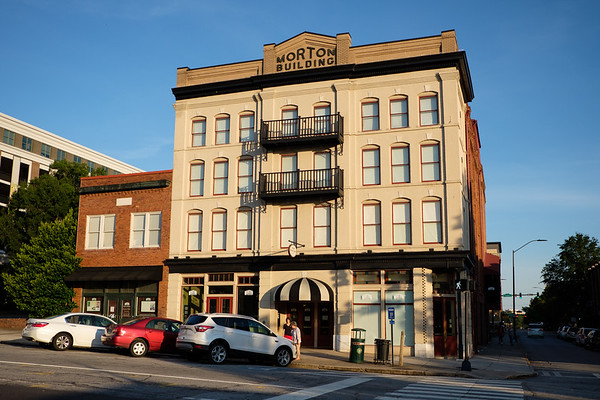
Morton Theatre building in Athens, Georgia.
The history of Athens is preserved most notably in the Cobbham neighborhood. Cobbham was Athens’ first suburb, known for its tree‑lined streets and well‑built homes from the 1830s to the 1920s in a variety of architectural styles, including the distinctive pink T.R.R. Cobb House. Today, Historic Athens offers historic walking tours of Cobbham, showcasing the area’s well‑maintained and unique charm. This charm is preserved through collaboration between Piedmont University, which buys and restores historic homes, and the Historic Cobbham Foundation, which plants trees and protects green spaces throughout the neighborhood.
Athens’ vibrant music and arts scene is proudly showcased through its Music Walk of Fame, the UGA bulldog mascot statues scattered throughout the city, and AthFest, a three‑day music and arts festival that brings live performances downtown during the summer, when many UGA students are away.
The Arts Division also has embarked on a successful historic preservation and community placemaking project at the historic Ware‑Lyndon House, now the Lyndon House Arts Center.
The Lyndon House Arts Center is a notable example of historic preservation and community placemaking. It brings together the past and the present, telling the honest history of the house and its residents while using the space to connect current Athens residents to that history, to art, and to each other.
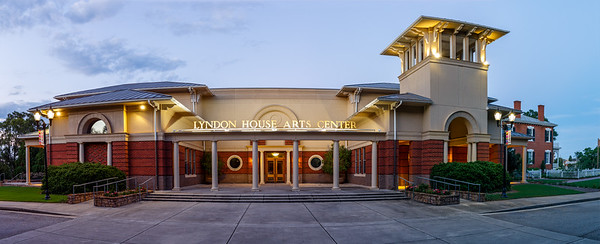
Lyndon House Arts Center in Athens, Georgia.
The Arts Center was built as an addition to the Ware‑Lyndon House, a historic Greek Revival mansion built around 1850. The house was owned by two doctors consecutively, Dr. Edward Ware and Dr. Edward Lyndon, before it was acquired by the city of Athens in 1939. In 1976, the Ware‑Lyndon House was listed in the National Register of Historic Places, and the interior was restored to its original character with art and furniture from its time. Today, the original part of the house serves as a museum.
Before the Emancipation Proclamation, more than 100 people were enslaved on the property of the Ware‑Lyndon House. In the past, this painful history was untold and unaddressed. Recent research, however, has brought to light the stories of those enslaved people, and the museum seeks to share those stories through an educational exhibit called “Resilient Civic and Musical Life: Ware‑Lyndon House Enslaved and Descendant Stories.” The exhibit showcases films, music, artifacts, and written works about the enslaved, their families, and their successes after emancipation.
The museum also features rotating exhibitions of both local and national artists. There is a special BIPOC curator program to identify and showcase BIPOC art. There are also programs to involve Athens community members of all ages. Every two years, the museum exhibits art from the city’s public school students.
The additional wing, which serves as the Arts Center, was built in the same exterior style as the original house, maintaining the historic character of the property and creating a flow between its past and future. The Arts Center features seven shared studio spaces, and through a studio membership program, residents can use spaces for ceramics, painting, metalworking, woodworking, and more. This provides an opportunity for people to learn different styles of art, and for established artists to have space and equipment to create and connect with other artists.
The Arts Center is a space of socialization and community placemaking. It is home to more than 20 guilds formed and sustained by Athens residents, such as the Ladies Garden Club and the Athens Photography Guild. The guilds are a way for residents, especially older residents, to connect over shared passions and form lifelong friendships. Friendships are also formed through the center’s events, classes, and Art Summer Camp, which offer scholarships to help ensure they are financially accessible to all residents.
The city of Athens also is working hard to preserve its natural scenic beauty and provide access to outdoor green spaces for the entire community. Dudley Park, just a short walk from downtown and the UGA campus, includes 32 acres of beautiful green parks and forests. It is nestled between Trail Creek and the North Oconee River. Leisure Services operates the park, ensuring it is cared for and enjoyed.
Dudley Park is the site of two paved trails: the North Oconee Greenway and the Firefly Trail, both of which are used for walking, running, and cycling through peaceful forests. The park also features picnic areas with grills, an outdoor amphitheater, fishing spots, and open fields perfect for sports and other activities. Dudley Park’s central location ensures that Athens residents have close and easy access to nature and to the unique enjoyment of trees and rivers.
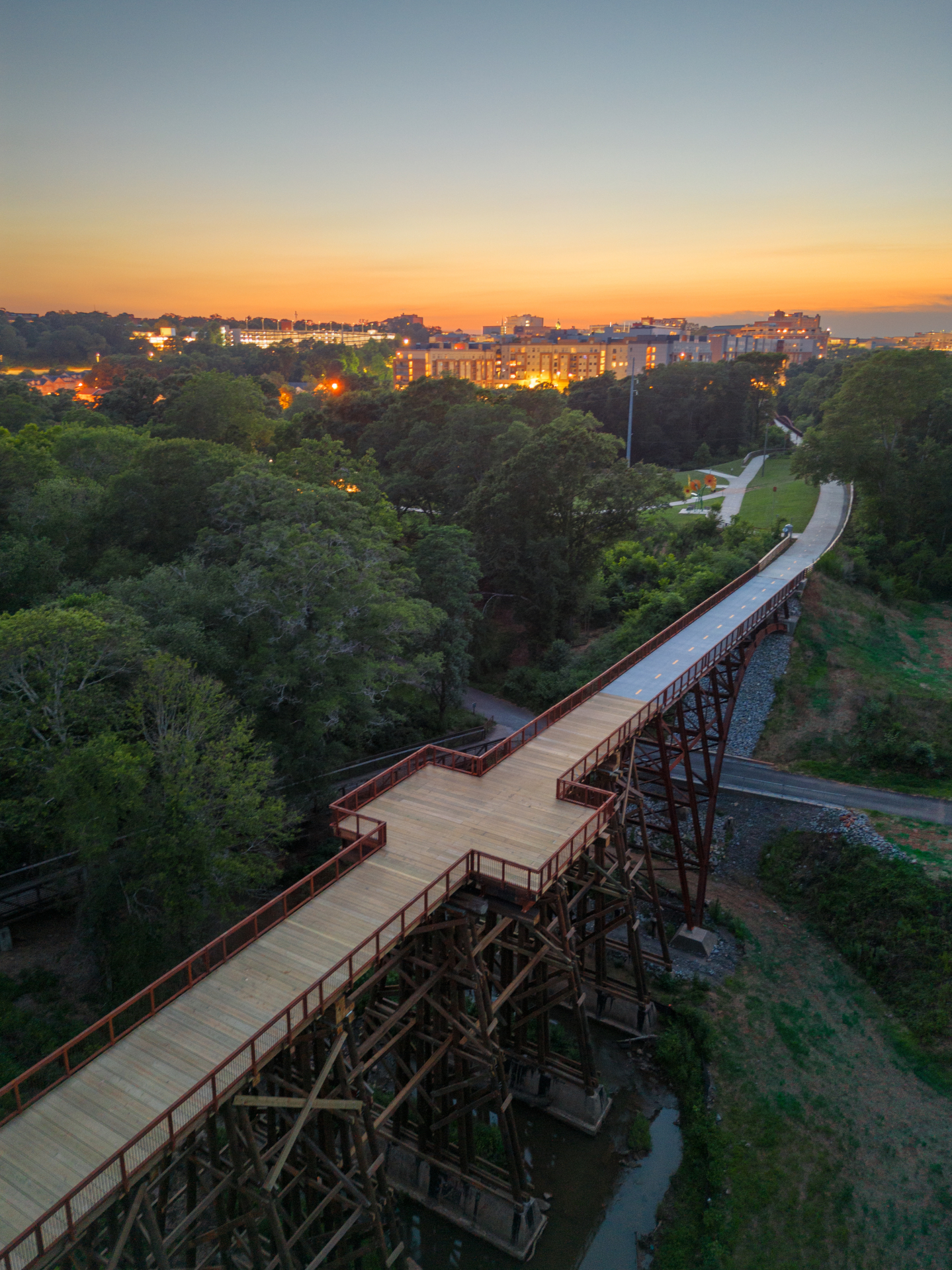
In early 2025, crews completed work to fully restore the Murmur Trestle, named after the Murmur album by the rock band R.E.M., which featured an image of the trestle on its cover. Having fallen into disrepair before its renovation, today the trestle once again transits Dudley Park and connects segments of Athens’ Firefly Trail. Photo by SeanPavonePhoto on Adobe Stock.
Dudley Park also is the site of a new award‑winning community event called the Flight of the Fireflies Lantern Parade. Organized by the Arts Division, the event brings together nature, art, and community. One night a year, Athens families gather to walk through the trails of Dudley Park to see the fireflies, carrying lanterns made in after‑school programs from recycled materials. The trails are lined with lighted sculptures and feature singers and dancers from the community.
Events like these are a fantastic way to get people involved in art and nature, and they also give people a sense of connection and belonging in their community that makes them want to stay and invest in the city. Raines called this a sense of “stickiness” and cited it as a goal of placemaking: to make sure people are happy with their city and, in turn, help make the city better.
References
Athens-Clarke County Unified Government. “Athens Music Walk of Fame.” https://www.accgov.com/9580/Athens-Music-Walk-of-Fame
Athens-Clarke County Unified Government. “Flight of the Fireflies Lantern Parade.” https://www.accgov.com/10599/Flight-of-the-Fireflies-Lantern-Parade
Athens-Clarke County Unified Government. “Morton Theatre History.” https://www.accgov.com/6255/Morton-Theatre-History
Athens-Clarke County Unified Government. “Ware-Lyndon Historic House Museum.” https://www.accgov.com/2779/Ware-Lyndon-Historic-House
AthFest. “AthFest Music & Arts Festival.” https://athfest.com/
Downtown Athens. “Hot Corner.” https://downtownathensga.org/explore/art-culture/aahp/hot-corner/
Visit Athens. “About Athens, GA.” https://www.visitathensga.com/plan/about-athens/
Visit Athens. “Ware-Lyndon House.” https://www.visitathensga.com/listing/ware-lyndon-house/229/
Hero image at top: Photo by Robert Hainer on Adobe Stock.