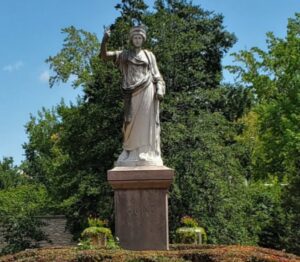
Placemaking spotlight: Abingdon, Virginia
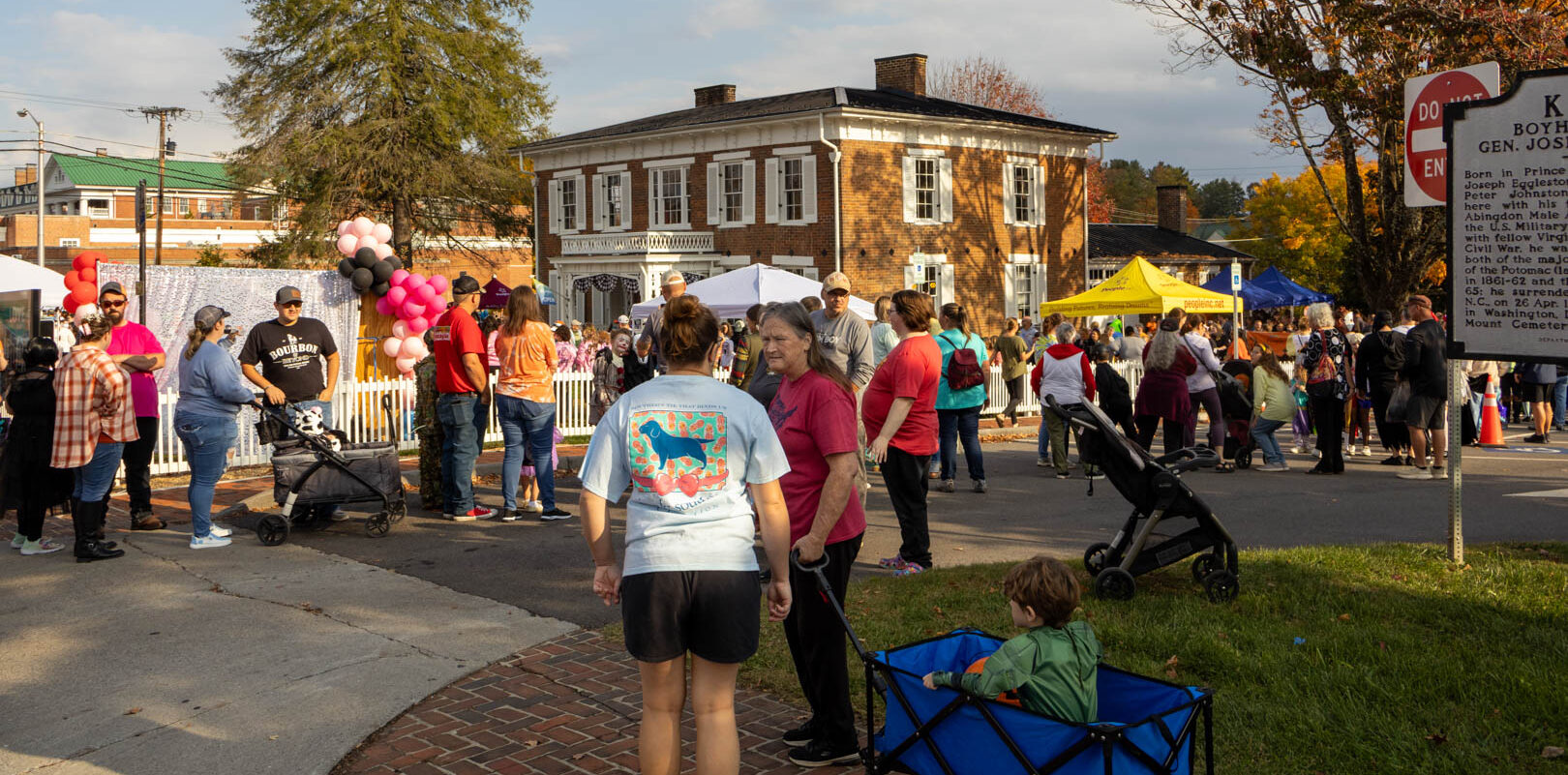
Abingdon shows how small towns can grow without losing themselves
Abingdon, Virginia, has become a shining example of how a small town can balance preserving its historic charm with fostering economic growth and revitalization. Through innovative strategies, collaboration between local developers and the community, and a shared commitment to protecting its unique character, Abingdon has achieved sustainable development that benefits both residents and visitors.
Geography and Historical Legacy
Located in southwestern Virginia at the crossroads of Appalachia, Abingdon is a gateway to adventure and history. With a population of approximately 8,000, the town is known for its Revolutionary War significance, as the Muster Grounds served as a rallying point for soldiers. The Appalachian Trail runs nearby, and Abingdon’s preserved downtown reflects its deep historical roots, including structures from the 18th century.
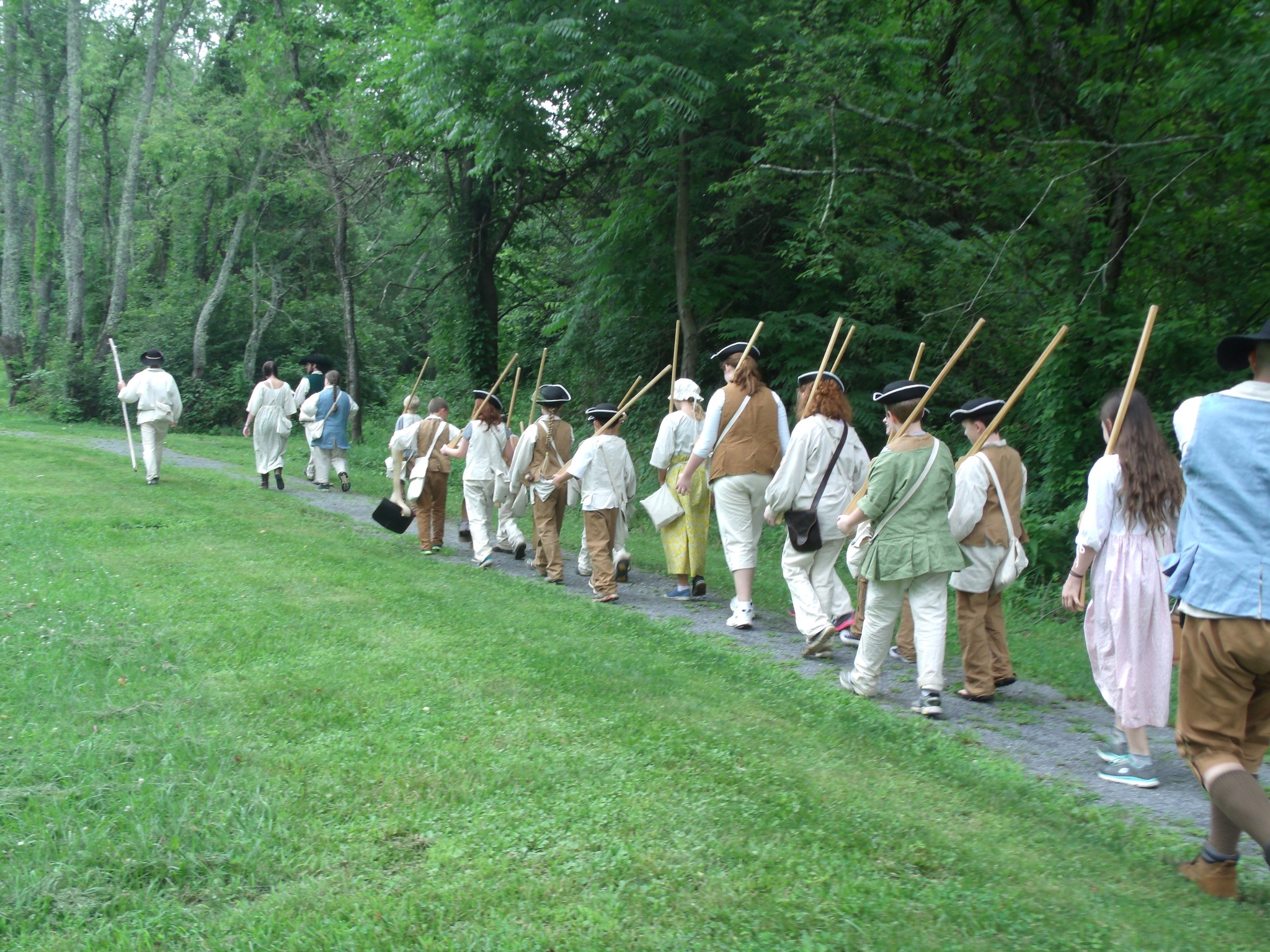
Abingdon’s story draws on its significance in Revolutionary War history. Reenactments and other community events throughout the year honor this heritage.
“Abingdon’s history is America’s history,” says Mayana Rice, assistant town manager. “Revolutionary War soldiers are buried here, and the end of the war began in Abingdon.” This commitment to history forms the foundation of Abingdon’s community development efforts.
A Balanced Approach to Development
Local developers in Abingdon have adopted a balanced approach to economic revitalization, leveraging the town’s historical assets while introducing modern amenities and businesses. Their success stems from key strategies that align development with the community’s vision.
Adaptive reuse of historic buildings: Abingdon’s downtown is experiencing a renaissance thanks to the adaptive reuse of historic buildings. Young, innovative developers have led efforts to repurpose old structures while preserving their historical integrity. Examples include The Clink, a former jail that now serves as a stylish apartment complex offering both short‑ and long‑term rentals, and Abingdon Commons, a former mercantile building that has been transformed into a mixed‑use space with a restaurant, rooftop bar, and shared workspace, creating a hub of economic and social activity.
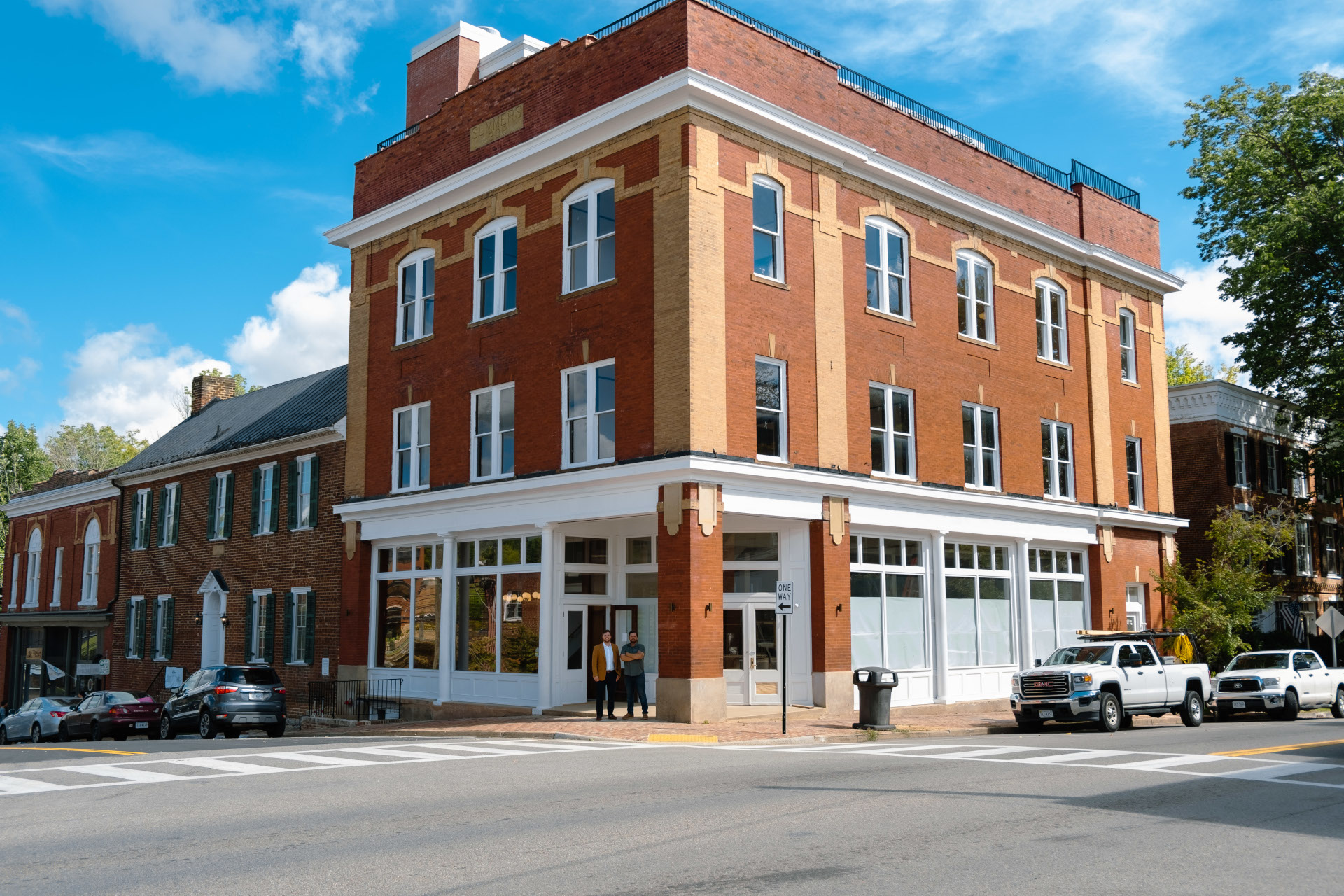
Investments in renovation have transformed old structures in various states of disrepair into beautiful elements of a historic and vibrant downtown district.
These projects breathe new life into historic structures, activating the downtown area and attracting both residents and visitors.
Seamless integration of new development: When the county needed to renovate and expand the historic downtown courthouse, developers took a thoughtful approach that preserved the original structure’s integrity while blending the new additions seamlessly with the historic architecture. This project showcases how development can respect and enhance a town’s existing character.
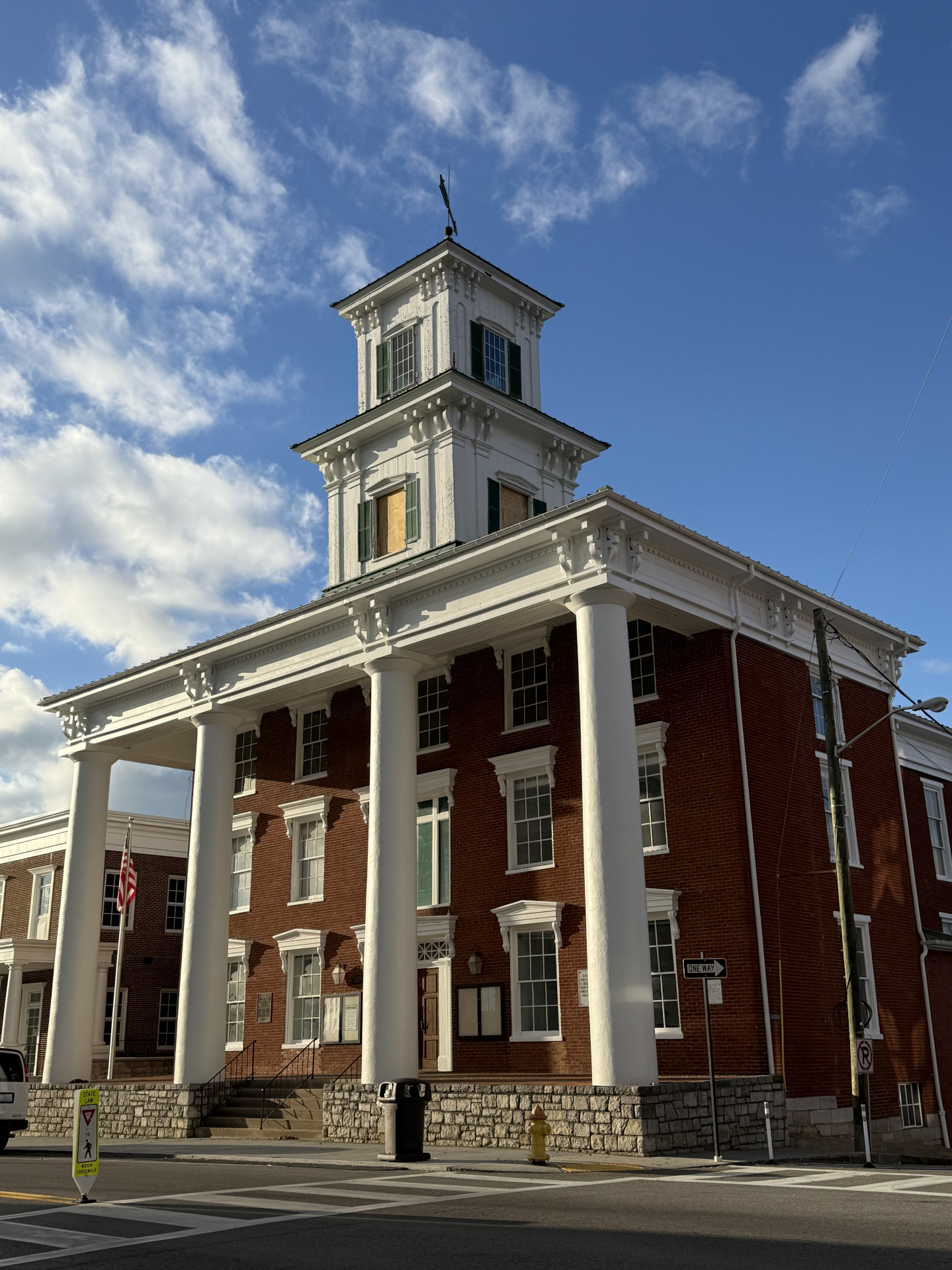
Washington County renovated its courthouse in Abingdon. Photo by OJUP on Shutterstock.
Flexible zoning and incentives: Abingdon has supported its developers by adopting flexible zoning policies and offering incentives for good development projects. These measures encourage adaptive reuse and historic preservation by reducing regulatory barriers and making projects financially viable. This forward‑thinking approach enables developers to preserve historic structures while introducing modern uses that contribute to the town’s economic vitality.
Engaging the community: Collaboration between developers, the community, and local government has been a hallmark of Abingdon’s revitalization efforts. For instance, the recent expansion of the Historic Preservation District added four blocks to the protected area with no opposition from residents. This level of support reflects the community’s shared vision for preserving Abingdon’s charm while embracing growth.
Activating historic spaces: Developers in Abingdon focus on adaptively reusing historic buildings to activate downtown with new businesses, amenities, and community spaces. Projects such as Abingdon Commons and Summers Roof and Cellar bring modern economic activity to historic spaces, creating a lively and attractive downtown environment. This approach ensures that preservation efforts contribute to the town’s growth and vibrancy.
Tourism-Driven Growth and Economic Sustainability
Tourism is a cornerstone of Abingdon’s economy, accounting for 32% of its tax base through meals and lodging taxes. This reliance on visitor‑generated revenue allows the town to maintain low property taxes for residents while investing in infrastructure and beautification projects that benefit everyone.
Outdoor recreation hub: With world‑class biking trails, rock climbing, and proximity to the Appalachian Trail, Abingdon is a top destination for outdoor enthusiasts. The new Whitewater Bike Ranch near Abingdon will further solidify the region’s status as a recreational hub.
Culinary scene: Abingdon’s food culture has earned it multiple nominations as the “Best Small Town Food Scene in the South,” with standout establishments such as The Girl and the Raven and Summers Roof and Cellar.
Cultural events: Events such as Trail Days and the Virginia Highlands Festival celebrate the town’s heritage and attract visitors, reinforcing its reputation as a cultural destination.
By leveraging tourism revenue, Abingdon invests in community improvements such as traffic‑calming measures, landscaped medians, and pedestrian‑friendly infrastructure.
Historic Preservation as a Pillar of Revitalization
Historic preservation lies at the heart of Abingdon’s approach to development. The town’s efforts to protect and repurpose its historic assets include:
Expanded Historic Preservation District: Adding four blocks to the Historic Preservation District ensures the protection of Abingdon’s architectural heritage while strengthening its identity as a historic destination.
Incentivizing preservation: Flexible zoning and incentives encourage developers to take on preservation projects, preventing the loss of valuable historic structures.
Downtown revitalization: Projects such as The Clink and Abingdon Commons demonstrate how adaptive reuse can create spaces that respect the past while fostering modern economic growth.
These efforts safeguard Abingdon’s history while positioning it as a vibrant, forward‑looking community.
Lessons from Abingdon
Abingdon’s balanced approach to development offers key lessons for other communities:
Adaptive reuse drives revitalization: Repurposing historic structures can preserve a town’s character while introducing new economic activity.
Seamless integration of development: Thoughtful planning ensures that new projects complement historic architecture and enhance a town’s identity.
Flexible policies encourage preservation: Zoning and incentives make historic preservation accessible and financially viable for developers.
Collaboration is key: Engaging residents, developers, and local government ensures alignment with community values.
Tourism fuels sustainability: Leveraging visitor revenue allows for investments in infrastructure and beautification without overburdening residents.
Conclusion
Abingdon, Virginia, exemplifies how small towns can achieve sustainable growth while preserving their unique character. By fostering collaboration, supporting adaptive reuse, and prioritizing community goals, Abingdon has become a model of placemaking and economic revitalization.
“We want it to be clear to our residents and visitors that when you’re here, you know it,” Rice said. “I’m in Abingdon. I’m not anywhere else.”
References
National Park Service. “Muster Grounds in Abingdon, Virginia.” https://www.nps.gov/places/muster-grounds-in-abingdon-virginia.htm
U.S. Census Bureau. “QuickFacts: Abingdon town, Virginia.” https://www.census.gov/quickfacts/fact/table/abingdontownvirginia/PST045224
Visit Abingdon Virginia. “Abingdon, Virginia.” https://visitabingdonvirginia.com/
Virginia Highlands Festival. “Local History.” https://www.vahighlandsfestival.com/local-history
Whitewater. “Bike Ranch.” https://whitewater.org/bike-ranch/more-info/
Hero-image photo at top: A full schedule of community events not only provides opportunities for the community to gather but also draws visitors from far and wide.