
Scenic Ohio chairman joins Beautifying Transportation Infrastructure Council
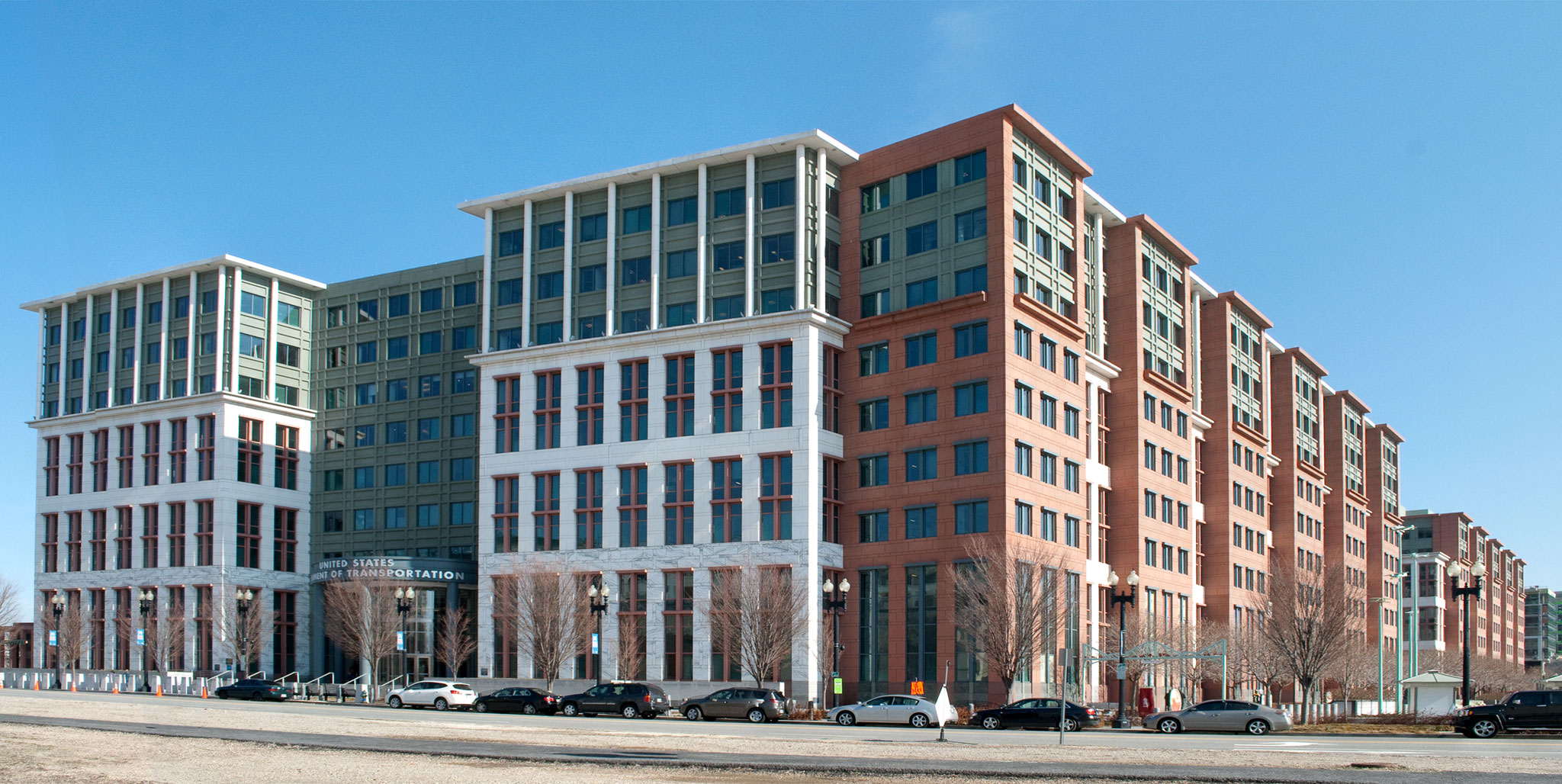
In October 2025, the U.S. Department of Transportation under Secretary Sean Duffy’s leadership announced the creation of the Beautifying Transportation Infrastructure Council (BTIC). This council’s mission overlaps directly with a major pillar of Scenic America’s mission: enhancing the aesthetic value of our nation’s transportation systems. The BTIC will provide the secretary with recommendations on policies, designs, and funding priorities that beautify transportation infrastructure. The council is tasked with identifying best practices, developing aesthetic performance metrics, and providing guidance on initiatives that reflect local character.
Secretary Duffy commented on the importance of emphasizing aesthetics in U.S. design principles, asking, “What happened to our country’s proud tradition of building great, big, beautiful things? It’s time the design for America’s latest infrastructure projects reflects our nation’s strength, pride, and promise.” Duffy further noted that this council signals that America is entering the “Golden Age of Transportation” through the development of beautiful transportation structures.
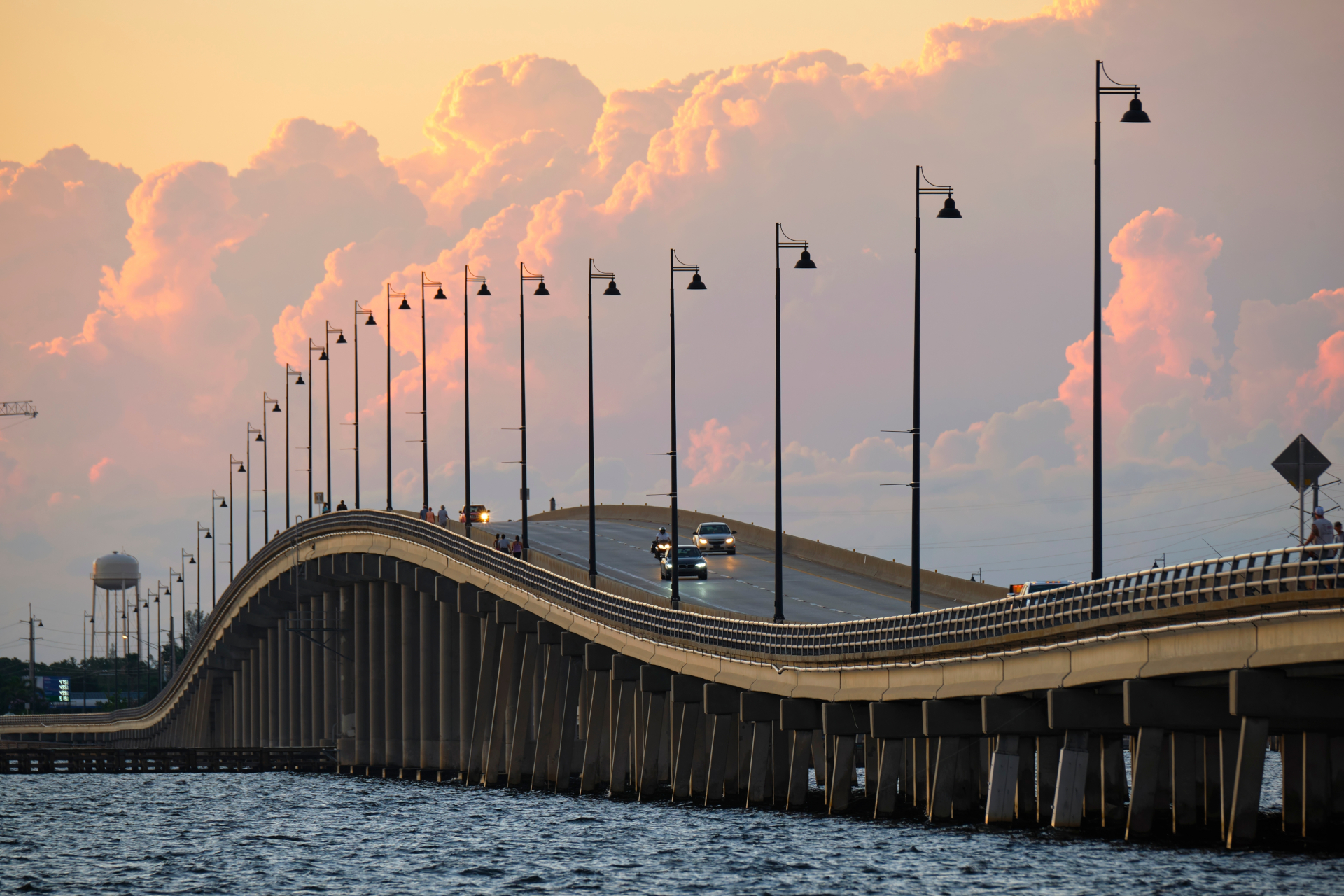
The Barron Collier Bridge spans Florida’s Peace River and is renowned for its aesthetically pleasing swept lines and pedestrian-friendly walkway affording views of the bridge’s natural surroundings. Photo by Bilanol on Shutterstock.
The council’s creation was welcome news for Scenic America. Even more encouraging was the appointment of Gary Meisner, president of Meisner + Associates / Land Vision and chairman of Scenic Ohio, to the BTIC following his nomination by Scenic America. Meisner is a fellow of the American Society of Landscape Architects (FASLA), an active landscape architect, an urban designer, and a planner.
Meisner’s work with the Ohio Department of Transportation (ODOT) spans decades and includes signature achievements such as receiving the FHWA Large Project Planning Award for the Eastern Corridor Land Use Vision Plan. He authored the Ohio Visitor Center Native Landscape Design Manual, guiding the redesign of 60 interstate rest areas and leading the implementation of six to date. His transportation planning portfolio includes multiple 100‑square‑mile land‑use and corridor vision plans, developed through extensive community engagement, multi‑jurisdictional coordination, and a commitment to context‑sensitive design.
As a Scenic Ohio board member since 1979 and chairman for 18 years — and as a long‑serving member of the Ohio Governor’s Residence Commission — Meisner has shaped statewide policy on scenic conservation, outdoor advertising control, transportation beautification, and community design. He co‑created the Scenic Ohio Green Highways Workshops, an innovative program now in its eighth year, delivering four‑hour sustainable design workshops to each of ODOT’s 12 district offices. These sessions advance best practices on native planting, living sound walls, stormwater management, afforestation, night‑sky‑friendly LED lighting, and integrated corridor planning. Three new workshops are underway this fall.
The BTIC had a public meeting on March 31, 2026, that focused on discussing five overarching principles for blending natural and urban landscapes with transportation infrastructure:
- Uplift and Inspire Travelers: As transportation belongs to the people, transportation design should have widespread appeal to the general public.
- Harmonize with the Surrounding Landscapes: Transportation infrastructure should integrate with both built and natural surroundings, focusing on context‑sensitive design, local character, and scenic landscapes.
- Complement Local Architectural Heritage: Transportation infrastructure should reflect regional and historical architecture, fostering a sense of place.
- Incorporate Art and Design Features: Infrastructure should weave in aesthetics as a primary principle, not as an afterthought. Lighting, art, ornamentation, and material choice must all be selected intentionally with beautification in mind.
- Harness Form to Advance Function: Designs should always enhance safety and keep the original function — the flow of people and goods — in mind.
The council discussed how effective transportation infrastructure should uplift and inspire, serving as a welcoming gateway that reflects local character through thoughtful materials, art, and regionally rooted design. Art, landscaping, and biophilic elements should be woven into the fabric of infrastructure rather than added as an afterthought, drawing on classical and regional traditions that stand the test of time. With advance planning through corridor master plans, dedicated beautification funding, and public feedback, infrastructure can serve not only as a functional necessity but also as a source of civic pride and belonging.
In a discussion covering the importance of wayfinding, the conversation turned to outdoor advertising. Justin Shubow, chair of BTIC and president of the National Civic Art Society, commented that billboards are bad for aesthetics and that signage should be minimized. Meisner further commented that billboards are a massive safety issue, as billboards and oversized LED signs distract drivers. We are thankful for the council members’ attention to such important topics as outdoor advertising regulation and are hopeful that the BTIC will lead to actionable improvements to our transportation systems.