
Placemaking spotlight: Sedona, Arizona
Sedona balances tourism and community needs
History
Sedona’s past and present are closely tied to the value of its natural environment. This connection can be traced to the area’s earliest inhabitants. Early Indigenous groups in the Sedona area included the Sinagua, who were proficient in farming, basket weaving, pottery, and jewelry making. The Apache and Yavapai followed, living off the land by hunting game and harvesting berries and cacti while adapting to the region’s harsh climate. After conflicts between Native Americans and Spanish settlers, homesteaders from the United States populated the area, practicing agriculture primarily to sustain themselves.
Sedona remained a relatively secluded area where people from surrounding communities came to fish and hunt until the 1960s. New hotels and shopping opportunities encouraged visitors to stay and enjoy the scenic landscape, while the region’s spiritual reputation grew in prominence. As a center of “New Age consciousness,” Sedona became known for its spiritual artists, visitors, and the famed “vortex energy centers.”
Today, spirituality, scenic beauty, and environmental stewardship remain central to Sedona’s identity. These values are preserved through organizations such as the Sedona Historic Preservation Commission and the Sedona Heritage Museum.
Historic preservation
The Sedona Historic Preservation Commission is a government body composed of five volunteer members who meet regularly to identify and preserve local landmarks. The commission continually evaluates businesses and other structures that may qualify as historic resources under the city’s land development code.
The commission’s largest project was the acquisition of a former ranger station that was converted into a public park. Working in partnership with the Parks and Recreation Department, the commission intentionally used recycled materials and retained the building’s historic color scheme whenever possible.
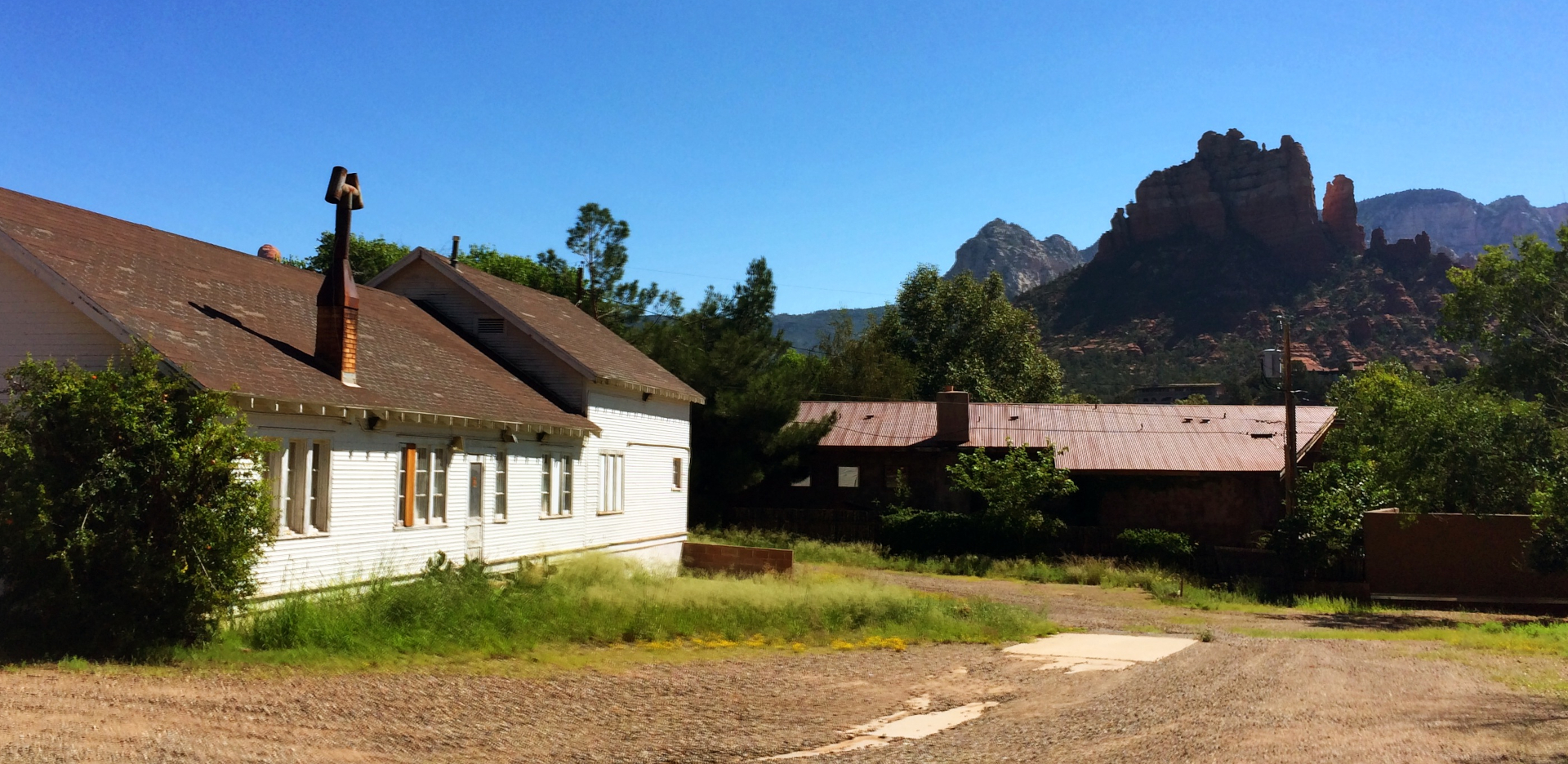
The Old Sedona Ranger Station.
Photo by Elly van der Pas — Own work, CC BY-SA 3.0,
https://commons.wikimedia.org/w/index.php?curid=35303707
The Sedona Heritage Museum offers educational presentations and walking tours of its historic homestead property. Although the city owns the museum, it is operated by a community service provider. Because Sedona incorporated relatively late, many community services were already being provided by nonprofit and private organizations. Public Relations Coordinator Kegn Moorcroft notes that the city provides funding to these organizations to keep public services in the hands of those with specialized expertise. This arrangement represents a unique example of public‑private collaboration benefiting the community.
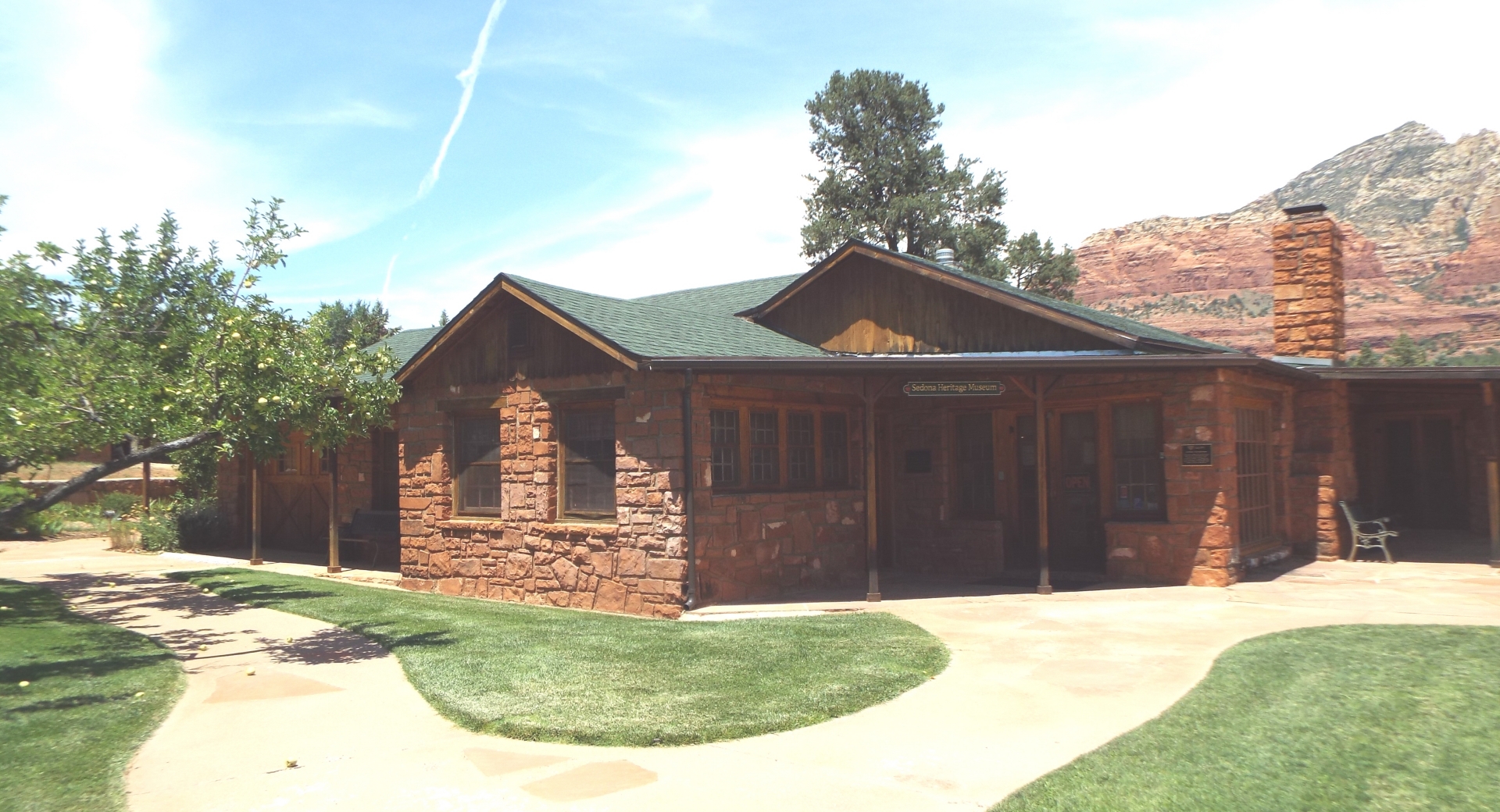
The Jordan Farmhouse, part of the Sedona Heritage Museum.
Photo by Marine 69-71 — Own work, CC BY-SA 4.0,
https://commons.wikimedia.org/w/index.php?curid=81224009
Community involvement
Sedona places individual residents at the center of new projects and includes residents’ and businesses’ voices in decisions about future development through its Citizen Engagement Program. The program consists of resident work groups that provide feedback and input on projects, concepts, and ideas affecting the city’s future.
For example, the city recently acquired 40 acres of land. While its initial concept was to construct diverse multifamily housing, city leaders invested significant resources in town halls, public meetings, and surveys to ensure community perspectives were incorporated into the draft master plan.
Sedona also maintains a high level of outreach to nonprofits and businesses, ensuring their perspectives are considered through multiple meetings each year. The city partners with community service providers such as the Humane Society and the library, helping support a significant portion of their operating costs.
The City of Sedona also provides support to dozens of local nonprofits, some of which deliver direct services. One example is the Sedona Red Rock Trail Fund, whose volunteers help collect litter and protect nearby waterways. Additional environmental organizations working with the city include NAU AmeriCorps, the Oak Creek Watershed Council, the NAU Climate Change Alliance, and Keep Sedona Beautiful.
The city also maintains a strong relationship with the Sedona Chamber of Commerce. Sedona promotes itself as a destination, while the chamber supports local and regional businesses. More recently, the city reached an agreement under which revenue generated by new parking meters is shared with businesses in the downtown area. These public‑private partnerships reflect Sedona’s broader approach of aligning community needs with organizational expertise.
Sedona also works directly with neighborhoods through its Sustainable Neighborhoods Program, which serves as a mentorship and support system for community‑led initiatives. The Les Springs Community is among the program’s most active participants.
During its first year in the program, residents organized food and tool collection drives, established a tool‑lending library, monitored water usage to identify leaks, and hosted educational sessions on solar energy. Much of this work was carried out by neighborhood residents themselves, with the city serving primarily as a facilitator. These efforts have already shown encouraging results, including several households transitioning to solar power after participating in educational programs.
Parks and placemaking
Although community members have substantial influence over projects, Sedona maintains strict land development codes that shape new development. Perhaps the most famous example is the city’s distinctive teal‑arched McDonald’s restaurant, whose design reflects local architectural standards.
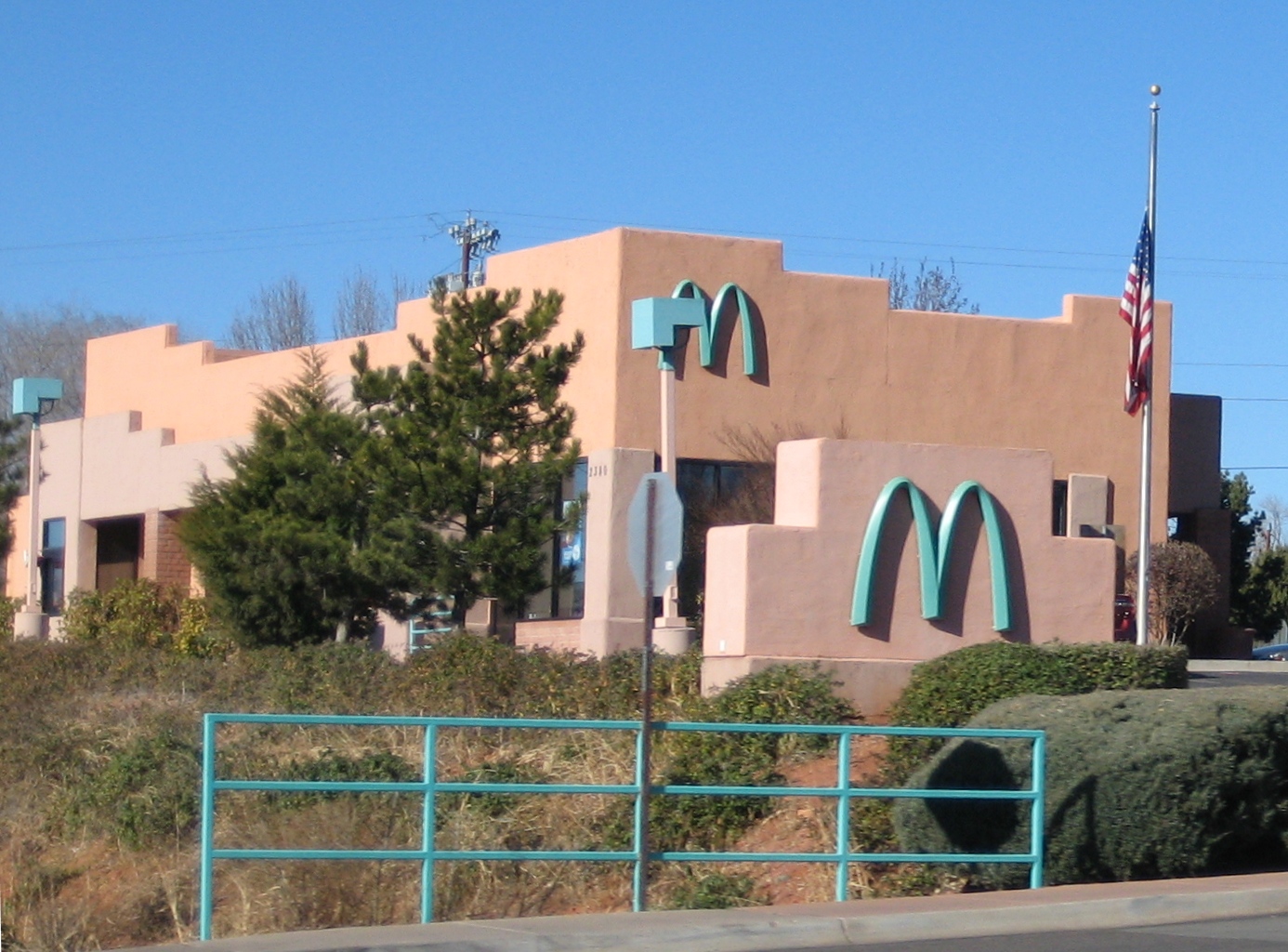
The McDonald’s in Sedona is the only one in the world with turquoise arches. Photo by Big slick69 at en.wikipedia — Own work, Public Domain,
https://commons.wikimedia.org/w/index.php?curid=1561696
The same expectations apply to parks, landmarks, and other developments. While these standards help preserve community character, they can also present challenges for sustainability initiatives. To address this issue, the city’s sustainability team is working with consultants to develop code revisions that better align with Sedona’s climate and sustainability goals. The proposed changes would allow developers greater flexibility by offering incentives and tradeoffs that encourage environmentally beneficial improvements while maintaining community standards.
Scenic beauty and the environment
Maintaining Sedona’s natural beauty requires extensive collaboration. Sedona sits between Coconino and Yavapai counties, and much of the surrounding undeveloped land is managed by the U.S. Forest Service.
The city maintains a strong working relationship with the Forest Service, including helping fund one of the agency’s positions. Sedona also works closely with state agencies such as the Arizona Department of Environmental Quality to coordinate messaging about environmental challenges. Together with federal and state partners, the city develops geotargeted public information campaigns addressing environmental issues.
The Red Rock Scenic Byway, SR 179, is another example of this collaborative approach. Surrounded by dramatic red rock formations and mountain vistas, the byway serves as both a transportation corridor and a visitor attraction. Sedona works alongside county, state, and federal partners to encourage sustainable tourism and protect the scenic qualities that make the byway distinctive.
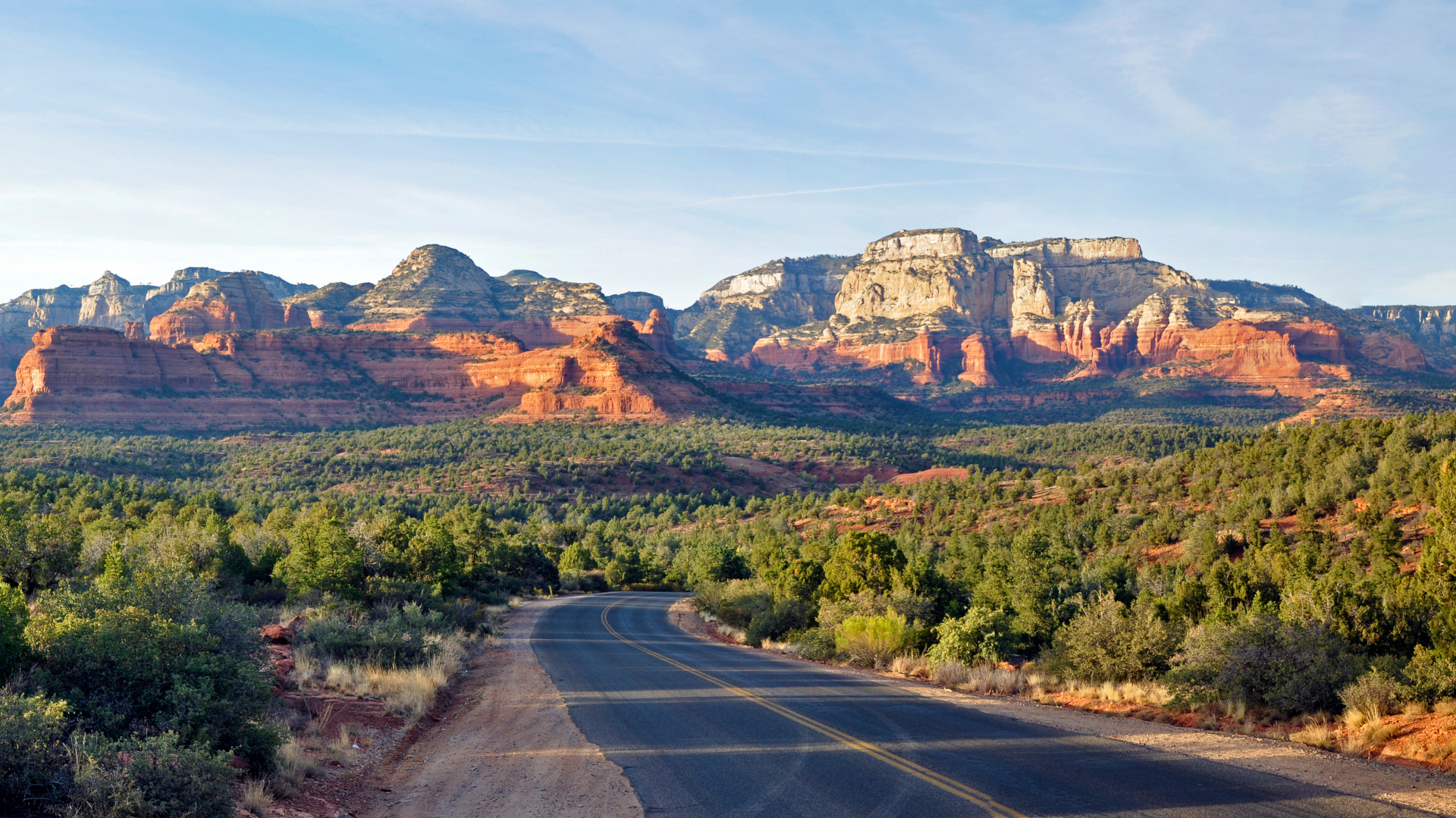
The Red Rock landscape along the northbound drive on Dry Creek Scenic Road in Sedona.
Photo by Brady Smith, CC BY-SA 2.0,
https://commons.wikimedia.org/w/index.php?curid=29806688.
Environmental reviews also play an important role in local projects. Studies of SR 179 and Oak Creek were conducted as part of the city’s pedestrian crossing project to evaluate potential environmental impacts.
At the local level, Sedona operates numerous programs designed to preserve and enhance the natural environment. The city’s land development code includes a native‑species list intended to ensure compatibility with the surrounding landscape. Sedona also actively manages invasive species, providing identification materials that help residents and city staff recognize problematic plants such as the tree of heaven.
When invasive species are removed, the city replants affected areas with native vegetation. Similarly, when developing shade structures as part of a heat‑awareness initiative, city planners considered not only function but also appearance, ensuring that new structures complemented the surrounding landscape.
Balancing tourists and permanent residents
Sedona possesses many qualities that make it a popular tourist destination, including its natural scenery, spiritual attractions, and historic sites. Yet Moorcroft emphasizes that the city’s decision‑making remains centered on the needs of permanent residents.
This resident‑focused philosophy is reflected in projects that combine sustainability, historic preservation, environmental stewardship, and community engagement. Sedona relies on a holistic approach that creates healthy, meaningful gathering spaces while encouraging broad public participation in civic life.
Although Sedona attracts visitors from around the world, the city has consistently prioritized the needs of its residents and built a collaborative system that many communities could emulate.
References
Beck, B. Scenic America case study interview with Maya Coppage. July 2025. Personal communication.
Moorcroft, Kegn. Scenic America case study interview with Maya Coppage. June 2025. Personal communication.
City of Sedona. “Ranger Station Park.” 2018. https://www.sedonaaz.gov/your-government/departments-and-programs/parks-recreation/city-parks/ranger-station-park#ad-image-2
Red Rock Scenic Byway. “Preservation.” 2025. https://redrockscenicbyway.org/preservation
City of Sedona. “SR179 — Portal/Brewer/Ranger & Pedestrian Crossing.” 2023. https://www.sedonaaz.gov/your-government/departments-and-programs/public-works/sedona-in-motion-transportation-master-plan/sr179-portal-brewer-ranger-ped-crossing
Sedona.net. “The Apache Wars.” https://www.sedona.net/apache-wars
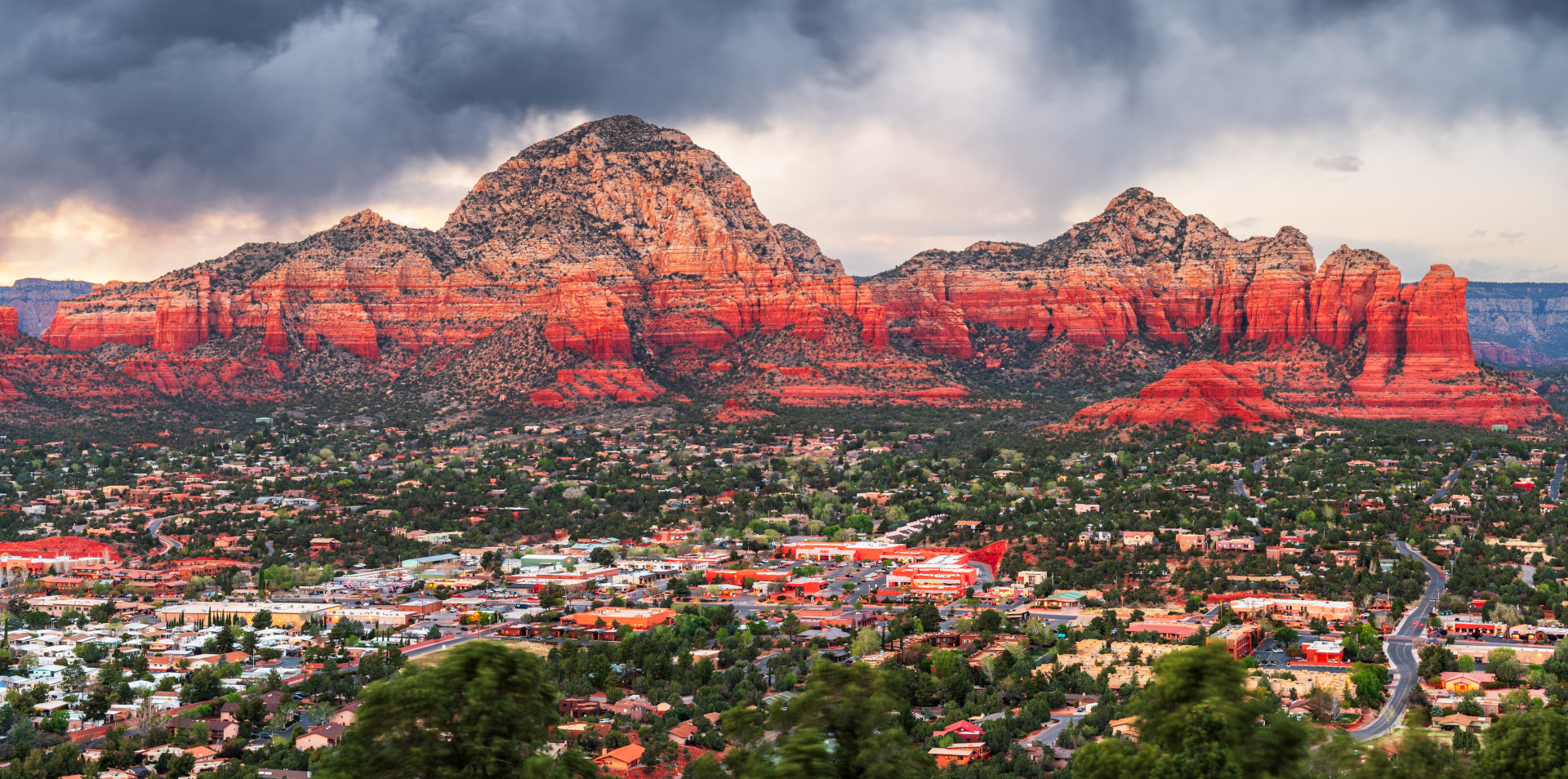
Hero image at top: Sedona, Arizona, downtown cityscape and mountains. Photo by Sean Pavone on Shutterstock.