
Placemaking spotlight: Abingdon, Virginia
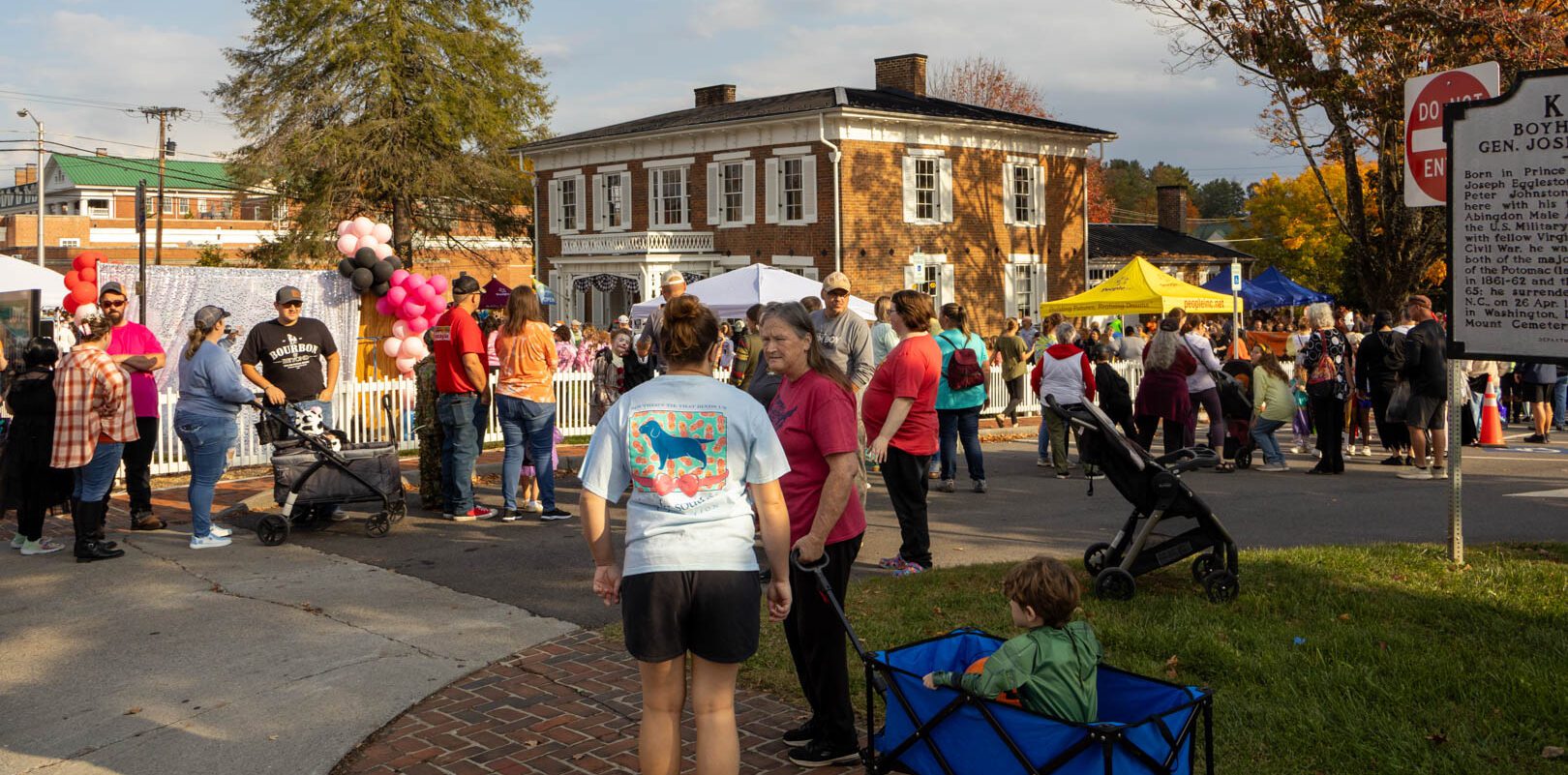
Abingdon shows how small towns can grow without losing themselves
In many small towns, growth and preservation are framed as opposing forces. In Abingdon, Virginia, they work together.
Set in the mountains of Southwest Virginia, Abingdon has become a compelling example of how a community can honor its historic character while welcoming new energy, investment, and opportunity. With its walkable downtown, deep Revolutionary‑era roots, growing outdoor‑recreation economy, and thoughtful adaptive reuse of older buildings, Abingdon shows that revitalization does not have to come at the cost of local identity.
Located at the crossroads of Appalachia, Abingdon has long understood the value of place. Its historic downtown still reflects the town’s early development, and its role in the Revolutionary War remains a source of civic pride. “Abingdon’s history is America’s history,” said Assistant Town Manager Mayana Rice. That sense of continuity has shaped the town’s approach to development.
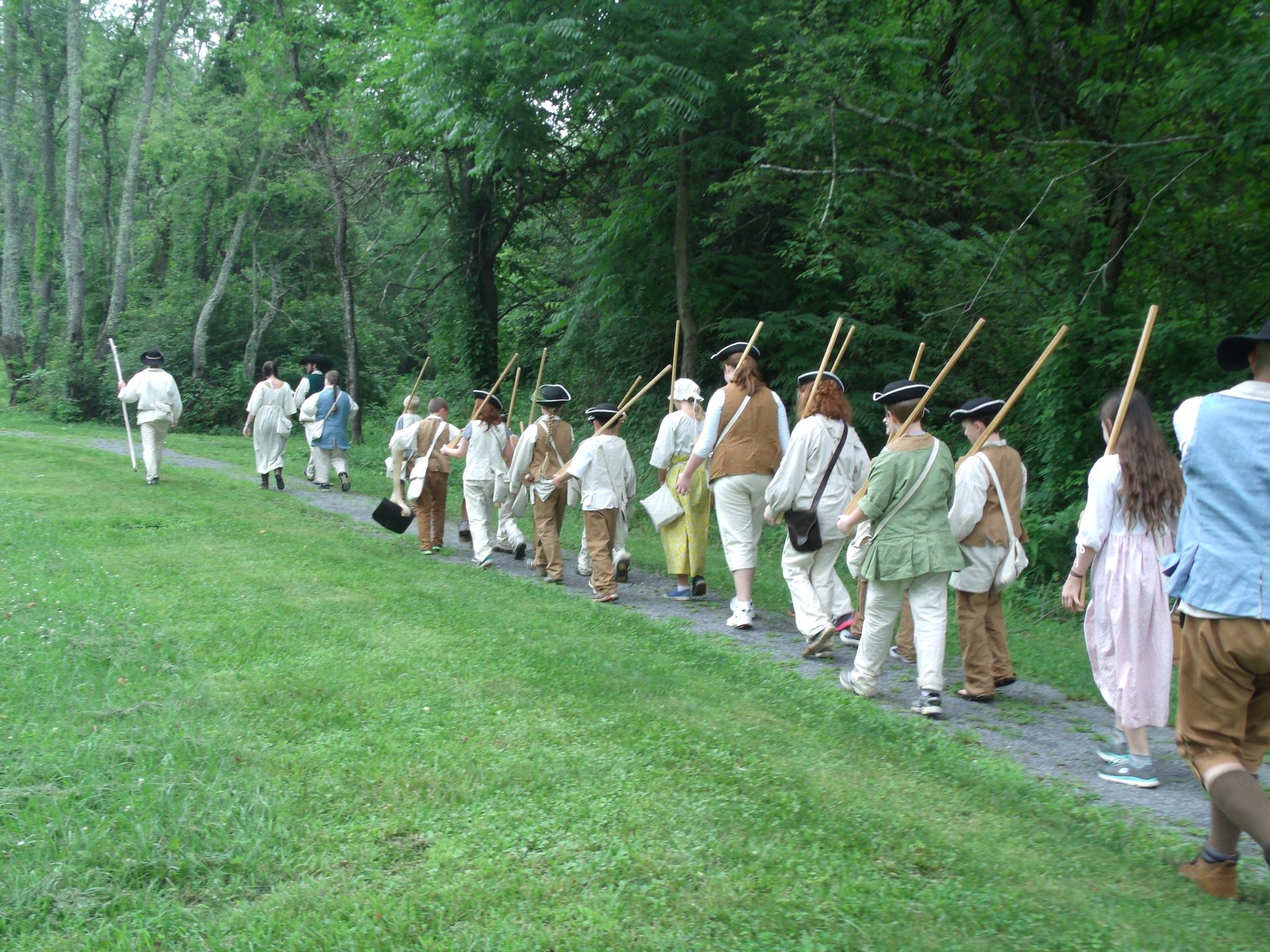
Abingdon’s story draws on its significance in Revolutionary War history. Reenactments and other community events throughout the year honor this heritage.
Rather than clearing away older structures in pursuit of something generic, Abingdon has embraced adaptive reuse. Historic buildings are being given new life in ways that respect their architectural character while adding fresh activity to downtown. A former jail, for example, has been transformed into apartments for short‑ and long‑term stays. An old mercantile building now houses a restaurant, rooftop bar, and shared workspace — helping anchor downtown as both an economic and social gathering place.
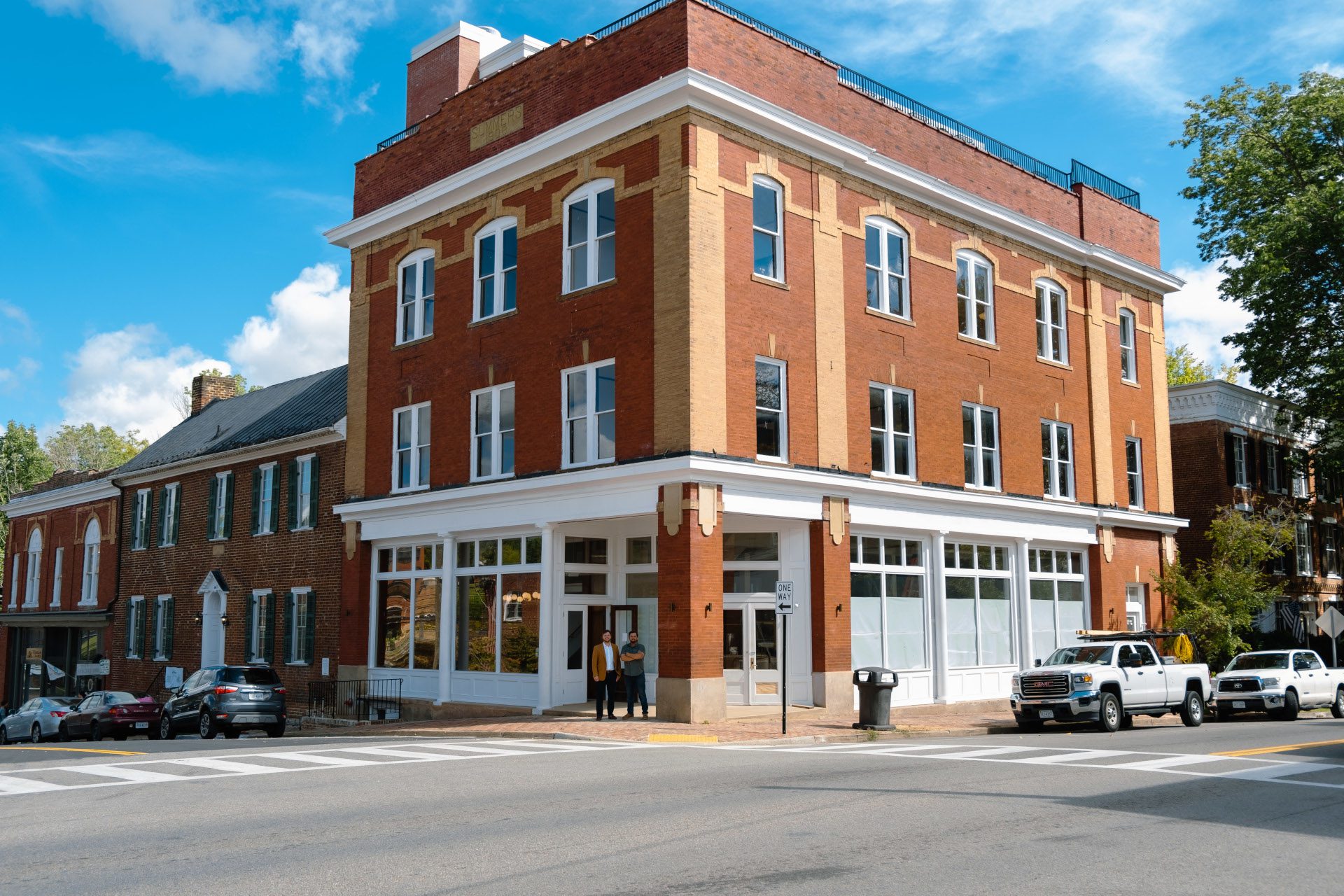
Investments in renovation have transformed old structures in various states of disrepair into beautiful elements of a historic and vibrant downtown district.
That pattern — preserve, adapt, activate — has become central to Abingdon’s placemaking success.
The town has also shown that new development can fit gracefully into a historic setting. When the county renovated and expanded the downtown courthouse, the project was designed to preserve the integrity of the original structure while blending new construction with the surrounding historic fabric. The result reinforces a lesson many communities are still trying to learn — thoughtful design can strengthen a place rather than dilute it.
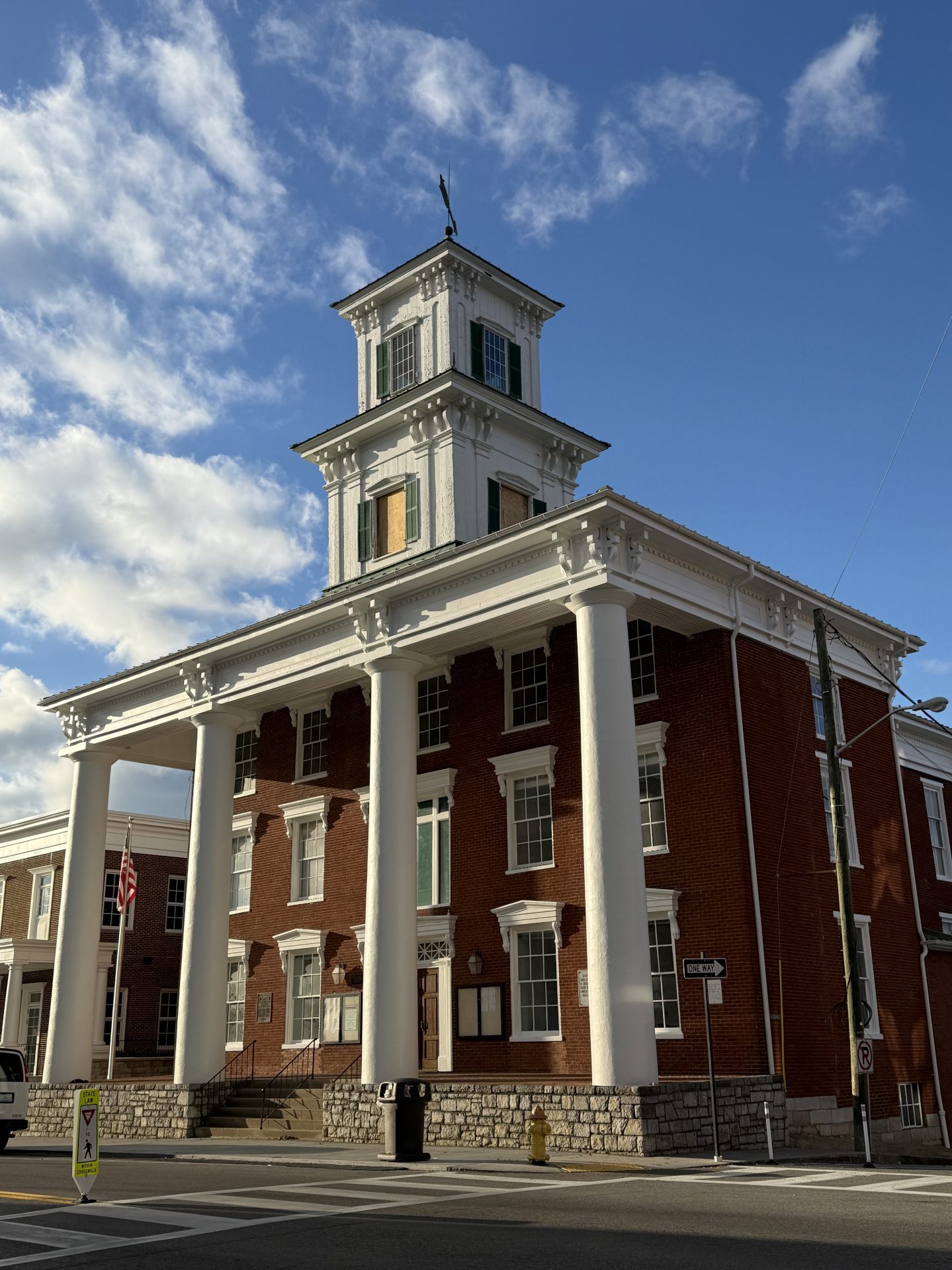
Washington County renovated its courthouse in Abingdon. Photo by OJUP on Shutterstock.
Abingdon’s policies have helped make that possible. Flexible zoning and targeted incentives encourage preservation‑minded development by making adaptive reuse more feasible and reducing barriers for worthwhile projects. Just as important, the community has supported these efforts. The recent expansion of the Historic Preservation District by four blocks reportedly drew no opposition from residents — a strong sign that preservation and growth are widely seen not as rivals, but as partners.
Tourism also plays a major role in Abingdon’s vitality. Visitors are drawn by the town’s cultural life, its well‑known food scene, and its access to outdoor recreation, including nearby biking trails, climbing opportunities, and the Appalachian Trail corridor. Events such as Trail Days and the Virginia Highlands Festival add to that appeal. Tourism now accounts for a substantial share of the town’s tax base, helping Abingdon keep property taxes relatively low while investing in beautification, pedestrian improvements, and infrastructure that benefits residents and visitors alike.
That reinvestment is visible across town — in landscaped medians, traffic‑calming measures, and a downtown that feels distinctly Abingdon. The goal, as town leaders have described it, is simple — when people are here, they should know exactly where they are.
That may be Abingdon’s greatest accomplishment. In a time when too many places are drifting toward a generic “anywhere” feel, Abingdon has stayed rooted in its own story. By preserving historic buildings, supporting local enterprise, and investing in a public realm that reflects its Appalachian setting and heritage, the town offers a model of placemaking that is both practical and deeply human.
Hero-image photo at top: A full schedule of community events not only provides opportunities for the community to gather but also draws visitors from far and wide.